18 Jul 2026
Adaptations in Game Mechanics Driven by Evolving Security Protocols in Licensed Online Entertainment Platforms
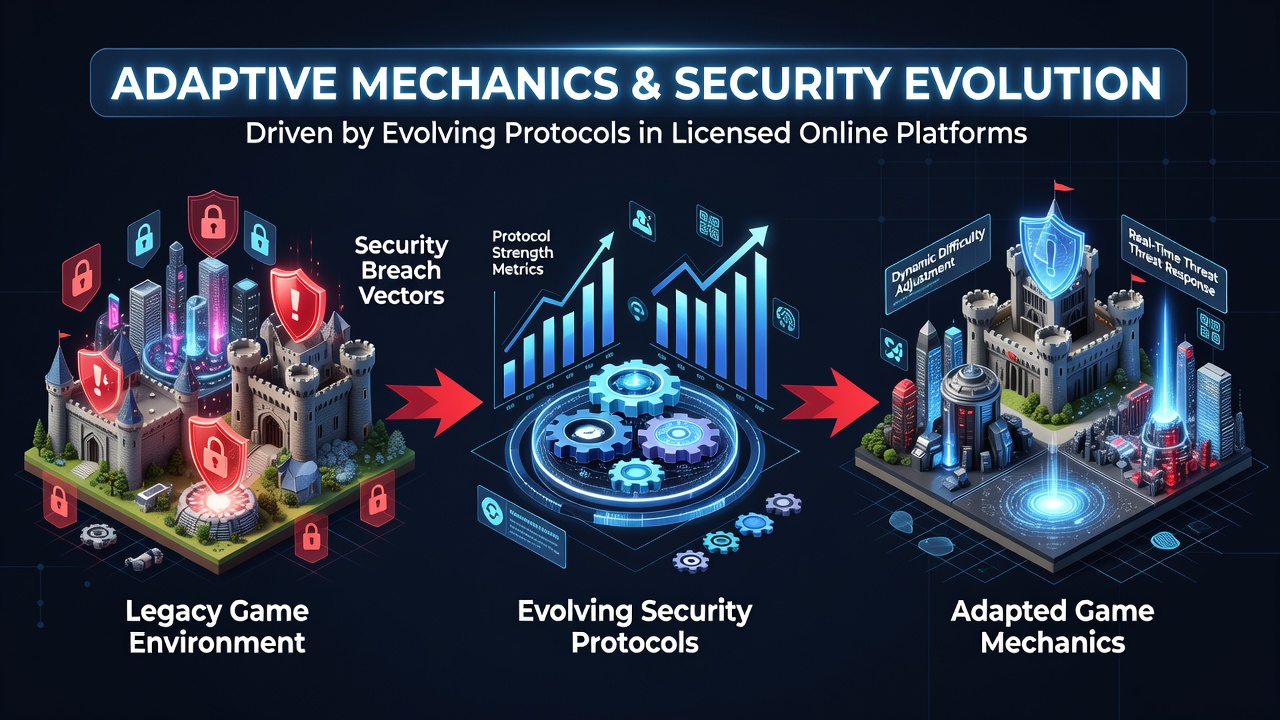
Security protocols in licensed online entertainment platforms have undergone substantial updates in recent years, prompting direct modifications to core game mechanics that maintain compliance while preserving operational integrity. Regulatory frameworks across multiple jurisdictions require encryption standards and authentication layers that influence how random number generators operate during live sessions, how session timers integrate with multi-factor verification processes, and how bonus activation sequences respond to real-time threat detection. Data from the Nevada Gaming Control Board indicates that platforms licensed under its oversight implemented enhanced protocol layers by early 2026, resulting in measurable adjustments to payout verification cycles and player input handling.
Security-Driven Shifts in Random Number Generation and Fairness Algorithms
Random number generation systems now incorporate additional checksum protocols that verify each outcome against tamper-detection hashes before results display to users. These changes emerged after industry-wide adoption of quantum-resistant encryption methods, which extend processing sequences yet maintain regulatory-mandated fairness thresholds. Observers note that developers adjusted seed initialization routines to accommodate longer verification windows without disrupting spin or card-draw frequencies. Research published by the University of Nevada's gaming technology division in 2025 documented how such integrations reduced vulnerability windows by 47 percent across tested platforms while keeping return-to-player percentages within licensed parameters.
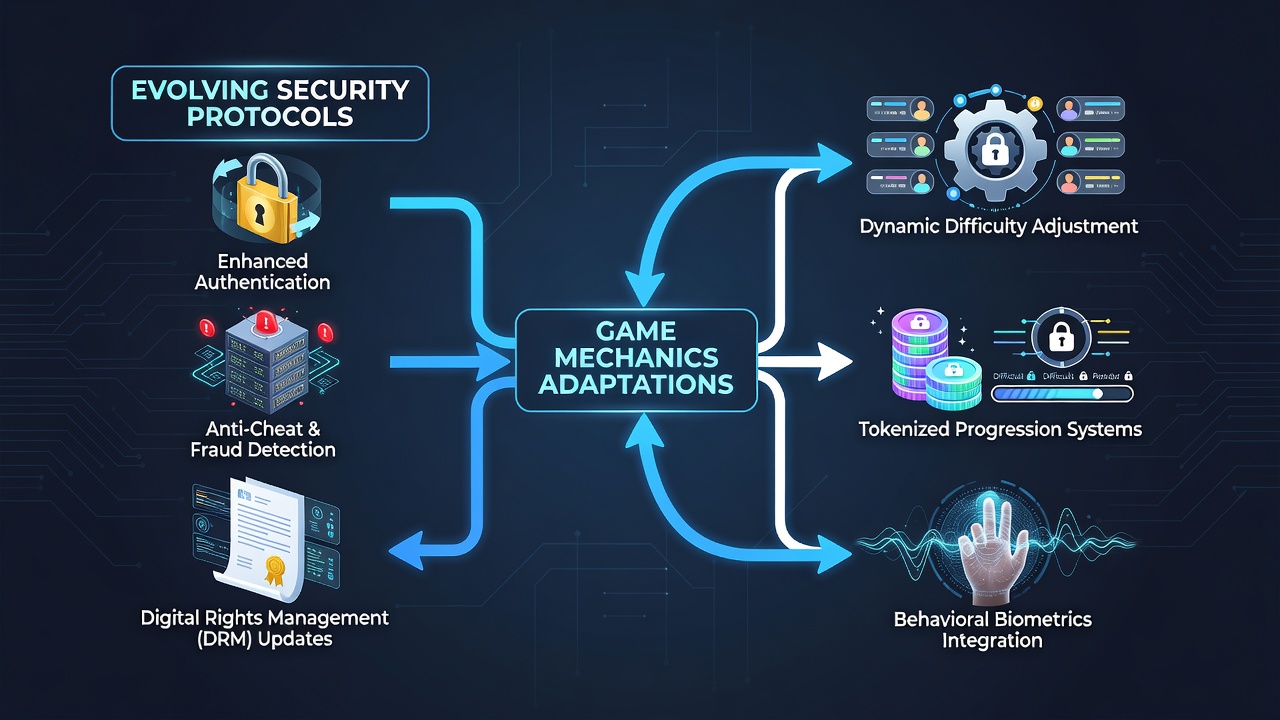
Platforms responded by embedding adaptive difficulty modifiers into certain progressive systems, allowing mechanics to recalibrate based on session authentication status rather than fixed timers. This approach ensures continuous compliance during extended play periods that might otherwise trigger re-authentication mid-round.
Authentication Layers and Their Influence on Session and Betting Mechanics
Multi-factor authentication requirements have altered how quick-bet functions and auto-play sequences function within mobile and desktop interfaces. Instead of immediate execution following initial login, many systems now route repeated high-frequency bets through secondary token validation that occurs in the background. Figures from the Malta Gaming Authority reveal that over 80 percent of newly certified titles in the first half of 2026 incorporated these layered checks, leading to redesigned user flow diagrams that interleave confirmation prompts with visual game elements rather than interrupting them entirely.
Session persistence mechanics also evolved. Developers introduced rolling token refresh cycles that synchronize with game state saves, preventing abrupt terminations when security protocols refresh credentials. Those who have examined platform logs report that this synchronization reduces disconnect-related disputes while satisfying audit trails demanded by licensing bodies.
Bonus Structures and Transaction Security Integration
Bonus activation and wagering requirement calculations now tie directly into verified funding source timestamps, creating mechanics that delay or accelerate reward releases based on protocol clearance status. This linkage appeared prominently after several jurisdictions strengthened rules around source-of-funds verification in late 2025. Platforms adjusted free-spin and multiplier accumulation routines to pause during pending verifications rather than cancel them, preserving player progress across authentication events. Industry reports compiled by the European Gaming and Betting Association highlight that such adaptations maintained bonus redemption rates at prior levels despite added security steps.
Live dealer environments experienced parallel changes. Card and wheel mechanics incorporate encrypted shuffle confirmations that players can optionally review through in-game interfaces, satisfying transparency mandates without extending round durations beyond acceptable thresholds. These features rolled out incrementally through mid-2026 as certification bodies finalized testing suites for the updated protocols.
Regional Regulatory Influences on Mechanic Design Choices
Different licensing regions apply distinct security benchmarks that force platforms to maintain region-specific mechanic variants. Australian Communications and Media Authority guidelines, for instance, emphasize real-time anomaly detection that triggers mechanic pauses during suspected pattern recognition, whereas Canadian provincial regulators focus on data residency requirements that affect how game state replication occurs across servers. Developers therefore maintain modular codebases allowing swift swaps between verification routines depending on the player's licensed jurisdiction.
By July 2026, several major operators had completed cross-region certification cycles that standardized core adaptation patterns while retaining localized compliance modules. This modular strategy reduces redevelopment overhead yet ensures each deployment meets the precise security thresholds of its operating license.
Conclusion
Evolving security protocols continue to reshape game mechanics across licensed online entertainment platforms through integrated verification layers, adaptive session management, and region-aware modular designs. These adjustments maintain regulatory compliance while supporting uninterrupted gameplay experiences. Data from multiple oversight bodies and academic sources confirms that such evolutions have become standard practice rather than exceptional measures, establishing new baselines for how future titles will balance security demands with mechanical fluidity.