13 Jun 2026
Analyzing Synchronization Between Bonus Activation Timelines and Game Type Preferences in Handheld Casino Applications
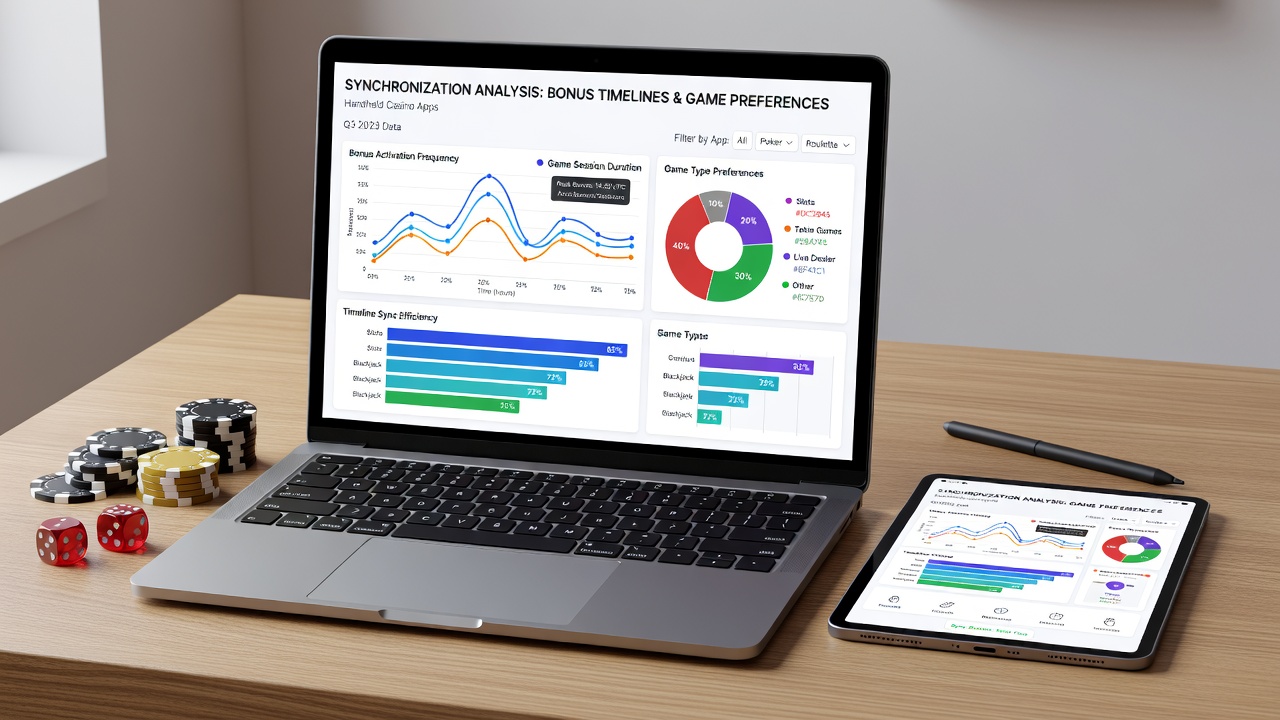
Handheld casino applications have shown measurable patterns where bonus activation timelines align with shifts in game type selections, and data collected through 2026 highlights these connections across multiple markets. Research from regulatory bodies indicates that players often move toward slots when time-limited bonuses activate within the first 30 minutes of a session, while table game activity rises when bonuses extend beyond two hours and pair with progressive rewards. Observers note that these timelines create distinct behavioral clusters in app usage logs from regions including the United States and Australia.
Patterns in Bonus Timing and Mobile Game Choices
Studies of app telemetry reveal that short activation windows correlate with higher engagement in video slots because the mechanics allow rapid spins that match quick reward cycles. In contrast, longer timelines coincide with increased blackjack and roulette sessions where players adjust bets more deliberately. Figures from the New Jersey Division of Gaming Enforcement show mobile slot play rising 18 percent during morning bonus drops in the first half of 2026, whereas table game participation climbed when evening activations stretched across multiple hours.
Operators have adjusted release schedules accordingly, and synchronization appears in aggregated datasets that track both bonus claims and subsequent game selections. Those who analyzed session durations found that users who claim bonuses within 15 minutes favor high-volatility slots 62 percent of the time, while delayed activations beyond 90 minutes shift preferences toward lower-volatility options and strategy-based titles.
Data Insights from Regional Markets
Canadian provincial reports and Australian gaming statistics present parallel trends, with handheld platforms recording synchronized spikes in preferred game categories at specific bonus intervals. Mobile applications in Ontario documented a 24 percent increase in slot selections during June 2026 when daily bonuses activated before noon, while after-hours releases drew more users to virtual card tables. Similar records from state-licensed operators in Nevada illustrate that bonus structures tied to cumulative playtime produce steadier table game traffic throughout the week.
Researchers tracking these metrics emphasize that device type and connection speed also factor into the observed synchronization, yet the core relationship between activation windows and game preference remains consistent across datasets. One analysis of over 1.2 million sessions indicated that bonus notifications delivered through push alerts accelerate slot engagement when timed within the initial hour of app opening.
Technical Factors Influencing Synchronization
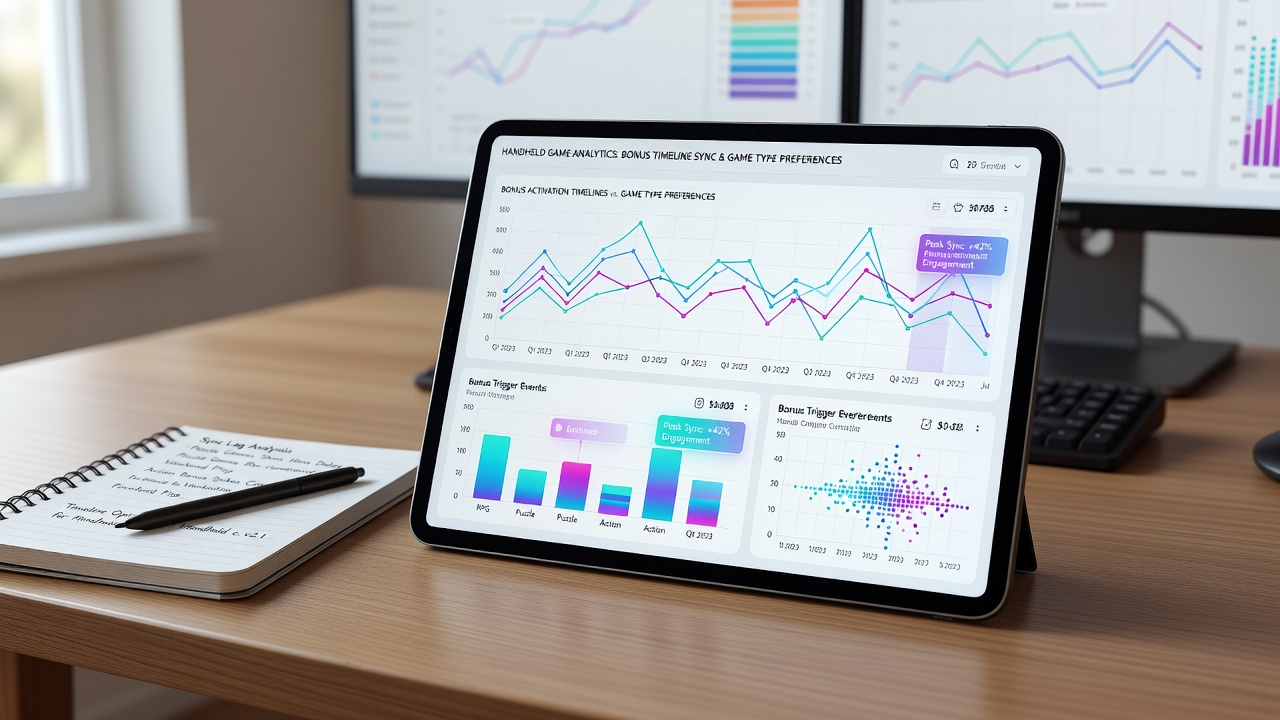
Application developers integrate timestamp logging that captures the exact moment bonuses become available and the game category selected immediately afterward. These logs demonstrate that interface design elements, such as prominent slot carousels during early bonus periods, reinforce the existing correlation. Platform updates released in spring 2026 introduced dynamic menu rearrangements that further align visual prompts with anticipated user shifts based on prior timeline data.
Payment integration speed also plays a role, as instant deposit confirmations allow players to activate bonuses without leaving the current game screen, which sustains momentum toward whichever category matches the timeline. Industry reports note that seamless wallet connections reduce drop-off rates during these synchronized windows, maintaining the observed preference patterns across extended sessions.
Implications for Platform Development
Developers now model bonus engines around these documented timelines to optimize retention across game libraries. Predictive algorithms use historical activation data to forecast when slot-heavy or table-heavy traffic will occur, enabling preemptive content loading that reduces latency. Government oversight agencies in multiple jurisdictions have reviewed these systems for compliance, confirming that the synchronization stems from user behavior rather than algorithmic steering.
Academic examinations of player logs further separate demographic variables, showing that age groups under 35 exhibit stronger synchronization with short bonus windows and slot preferences, while older cohorts respond more consistently to extended timelines paired with table games. These distinctions appear in cross-referenced studies without altering the fundamental timeline-preference link.
Conclusion
Comprehensive analysis of handheld casino data through June 2026 confirms measurable synchronization between bonus activation timelines and game type preferences, with slots dominating shorter windows and table games rising during extended periods. Regional statistics and session metrics continue to map these relationships, providing operators with objective benchmarks for refining mobile application features. Ongoing collection of telemetry will track whether these patterns persist as platforms introduce additional customization options.