1 Jun 2026
Charting the Growth of Integrated Loyalty Ecosystems Within Licensed Digital Gaming Networks
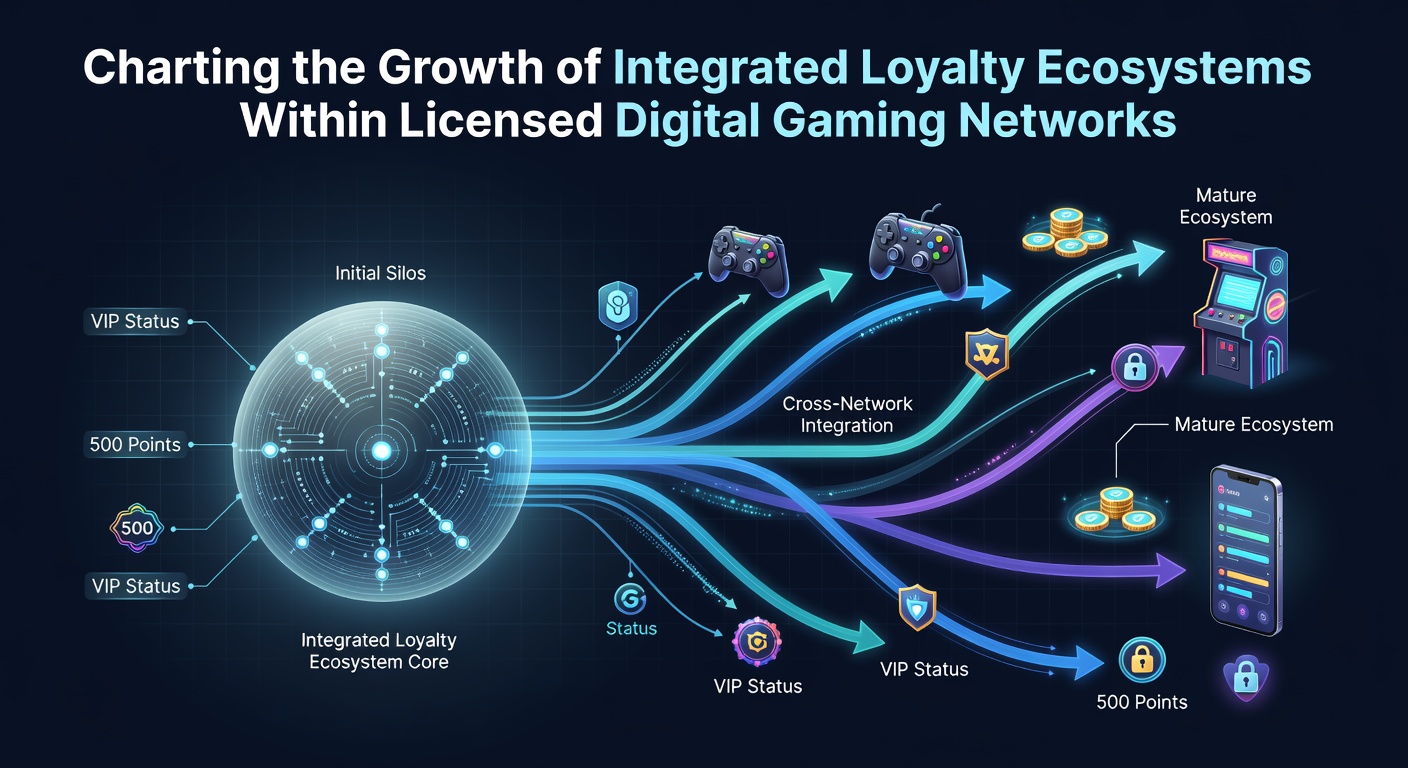
Integrated loyalty ecosystems have expanded steadily inside licensed digital gaming networks as operators connect reward structures across platforms, devices, and jurisdictions. These systems combine player data, point accumulation, and redemption options into unified frameworks that operate within regulatory boundaries set by government agencies in multiple regions. As of June 2026, several networks report measurable increases in cross-platform engagement following the deployment of centralized loyalty ledgers that track activity from online slots, table games, and sports betting modules simultaneously.
Early Development of Networked Reward Structures
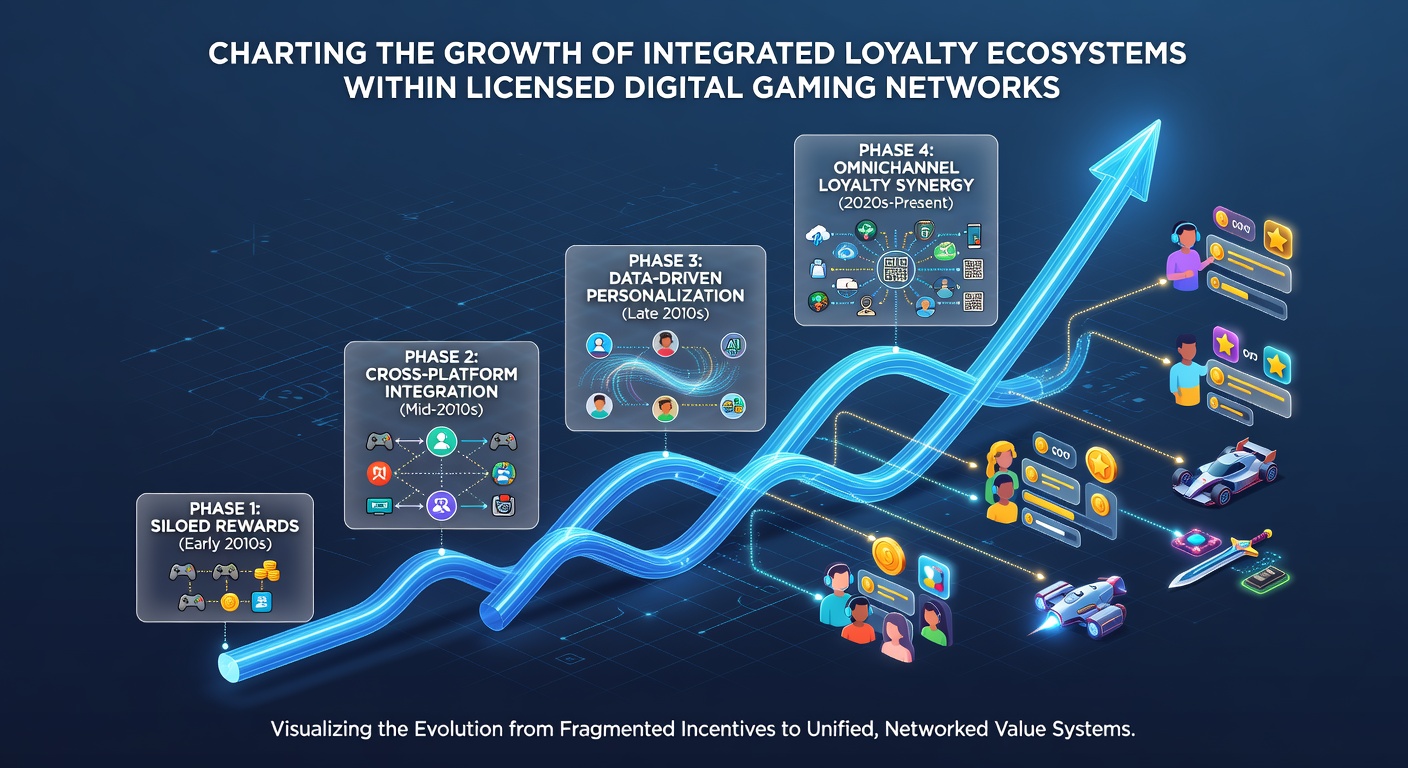
Initial loyalty programs in digital gaming operated as isolated point systems attached to single websites or applications. Operators later recognized that fragmented rewards limited retention, so they began linking databases through secure APIs that allowed points earned on one platform to carry value on another. Research from the Australian Gambling Research Centre indicates that networks adopting early integration protocols saw participation rates rise by 18 percent within the first year of implementation, while separate programs experienced slower uptake. Those who studied these transitions note that seamless data exchange reduced duplicate account creation and improved accuracy in reward calculations across state lines in jurisdictions such as New Jersey and Pennsylvania.
Core Components Driving Current Integration
Modern ecosystems rely on several interlocking elements that function together. Centralized player profiles store transaction histories, game preferences, and redemption patterns in encrypted repositories accessible only to licensed operators. Dynamic point multipliers adjust automatically based on activity volume or game type, and tiered status levels unlock benefits that span multiple verticals within the same network. Mobile applications serve as the primary interface, pushing real-time balance updates and personalized offers while complying with data protection rules enforced by bodies such as the Alcohol and Gaming Commission of Ontario. Interoperability standards developed by industry consortia ensure that third-party game providers can feed activity data into the shared ledger without exposing sensitive financial details.
Technology Enabling Secure Cross-Platform Tracking
Blockchain-based ledgers and advanced encryption protocols support the movement of loyalty value between platforms without compromising audit trails required by regulators. These tools allow operators to verify that rewards originate from legitimate play rather than promotional abuse. Data from the National Center for Responsible Gaming shows that networks using immutable transaction records reduced discrepancies in point balances by 27 percent compared with traditional database systems. Artificial intelligence models analyze aggregated behavior patterns to predict when players might disengage, triggering targeted incentives that remain within spend limits established by responsible gaming frameworks in each jurisdiction. Cloud infrastructure scales these calculations during peak periods, such as major sporting events, while maintaining compliance with geographic restrictions on data storage.
Regulatory Oversight Across Regions
Licensed digital gaming networks must align loyalty features with rules set by authorities in each market. The Alcohol and Gaming Commission of Ontario requires clear disclosure of how points convert to cash or prizes, while the New Jersey Division of Gaming Enforcement mandates regular audits of integrated systems to confirm that cross-platform transfers do not circumvent house-edge calculations. In Australia, state-based regulators review loyalty mechanics for fairness before approving network-wide rollouts. These requirements have prompted operators to build compliance modules directly into loyalty engines, automatically flagging offers that exceed jurisdictional thresholds. Observers note that this embedded approach reduces approval times for new reward tiers and allows networks to expand into additional licensed markets more quickly.
Measured Outcomes in 2026 Deployments
By June 2026, several multi-state operators reported that integrated ecosystems accounted for 42 percent of total player activity within their licensed portfolios. Figures released by the American Gaming Association reveal that networks with unified loyalty programs retained active users 31 percent longer than those maintaining separate reward structures. Redemption rates for non-gaming perks, such as merchandise and event access, increased after operators added these options to the shared ledger. One study conducted by researchers at the University of Nevada, Reno tracked 12,000 accounts over six months and found that players who redeemed points across both casino and sports betting modules generated 24 percent higher lifetime value than single-vertical users. These results emerged after networks implemented unified dashboards that displayed combined balances and suggested redemptions based on individual play history.
Future Trajectory and Network Expansion
Continued growth depends on further standardization of data formats and expansion of licensing agreements between operators and game suppliers. Regulatory sandboxes in select jurisdictions now test loyalty features that incorporate real-time responsible gaming limits directly into point accrual rules. Networks exploring partnerships with hospitality and entertainment brands aim to extend redemption options beyond gaming products while remaining inside licensed frameworks. Data sharing agreements between operators and academic institutions are expected to yield additional insights into long-term engagement patterns through 2027. Those who monitor these developments point to ongoing refinements in encryption and audit capabilities as the foundation for scaling integrated ecosystems into new geographic markets that open to regulated digital gaming.
Conclusion
Integrated loyalty ecosystems within licensed digital gaming networks have evolved from isolated point systems into interconnected platforms that track and reward activity across multiple products and jurisdictions. Regulatory alignment, technological interoperability, and measurable retention gains have supported this expansion through mid-2026. Continued progress hinges on maintaining compliance while introducing new redemption pathways and analytical tools that respect geographic and data-protection boundaries.