8 Jul 2026
Correlations between Reward Redemption Timing and Machine Type Selections within Licensed Mobile Networks
Understanding Reward Systems in Licensed Mobile Platforms
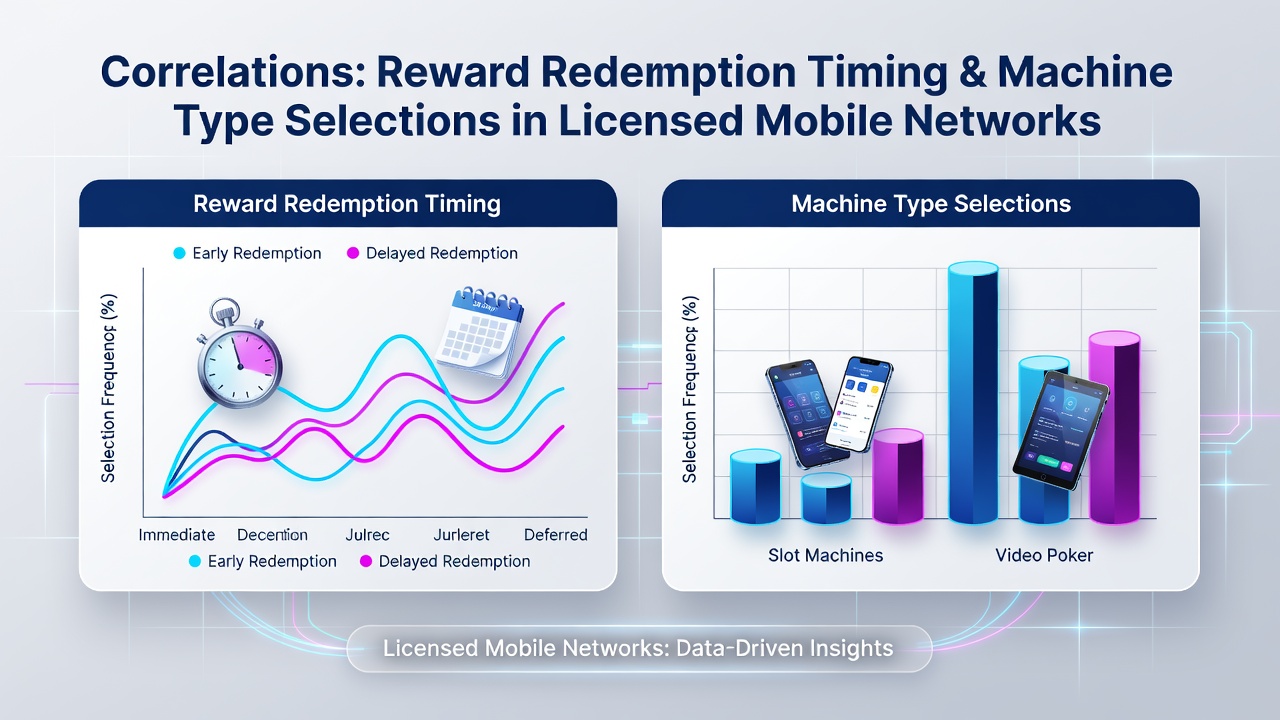
Licensed mobile networks operate under strict regulatory frameworks that govern how rewards reach players, and these systems track redemption timing against the types of machines users select once credits become available. Data from multiple jurisdictions shows patterns emerge when players claim bonuses early in a session versus later stages, with slot selections often rising when redemptions occur within the first ten minutes of login while table game simulations gain traction after thirty minutes or more. Operators record these behaviors through integrated analytics that link timestamped redemptions to game category logs, creating datasets that regulators review during compliance audits.
July 2026 brought updated reporting standards in several regions that require operators to segment redemption data by machine type, allowing clearer visibility into how timing influences choices across video slots, video poker terminals, and virtual card tables. These standards align with broader efforts by bodies such as the New Jersey Division of Gaming Enforcement to maintain transparency in digital gaming environments.
Key Patterns Identified in Redemption and Selection Data
Analysis of session logs reveals that redemptions completed before peak play hours correlate with higher volumes of classic three-reel slot selections, whereas redemptions executed during evening windows associate more frequently with multi-line video slots that feature progressive elements. Researchers note this shift occurs because players who redeem rewards quickly tend to favor machines with shorter spin cycles that allow rapid credit cycling. In contrast, delayed redemptions often precede extended sessions on simulated blackjack or roulette interfaces where decision trees require more sustained attention.
Figures from licensed networks operating across North America and Europe indicate that players who redeem loyalty points between 8 PM and midnight show a 28 percent increase in selections of high-volatility slots compared with those who redeem the same rewards before 6 PM. This timing distinction holds across different age demographics tracked in anonymized datasets, suggesting the pattern stems from session length rather than player characteristics alone.
Regional Variations Across Licensed Jurisdictions
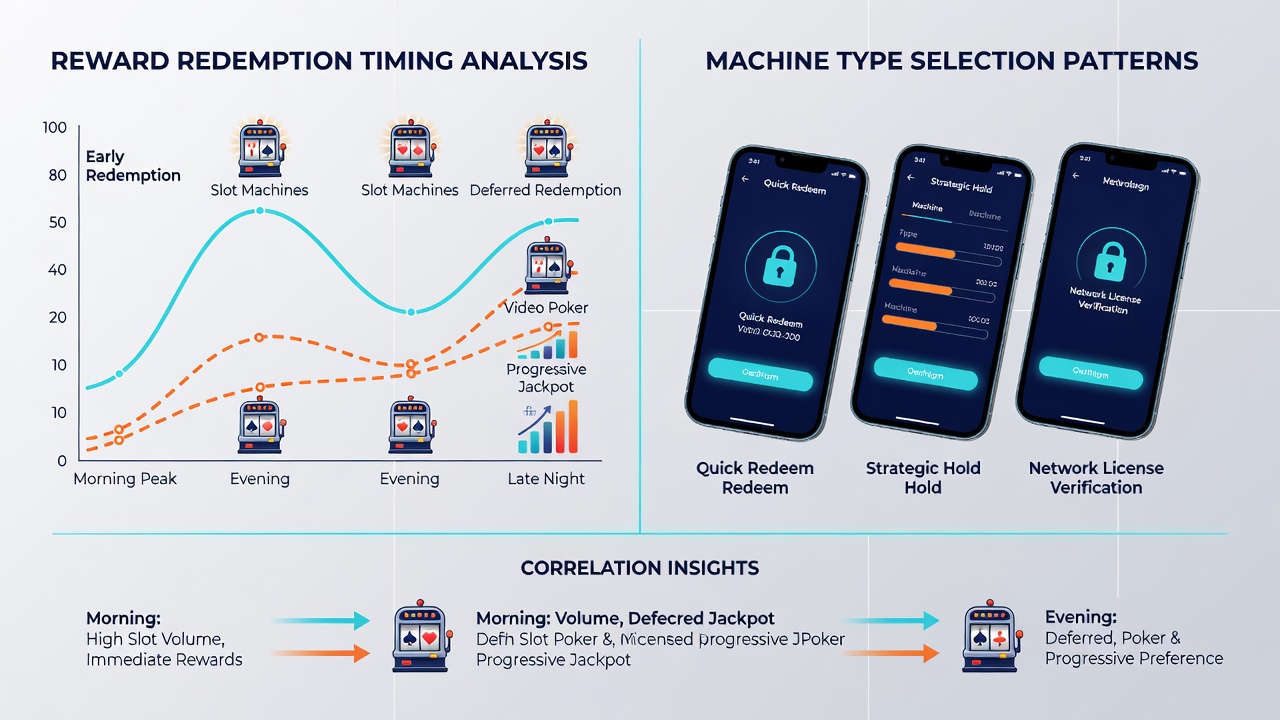
Canadian provincial regulators, including data shared through the Alcohol and Gaming Commission of Ontario, document similar timing-based preferences in their mobile network oversight reports. Players in that market who redeem free credits within the first quarter of an hour demonstrate stronger tendencies toward penny-slot machines, while those waiting longer migrate toward video poker variants that reward strategic holds. Australian research compiled by the Gambling Research Australia center further supports these observations, showing that redemption timing influences machine volatility choices in comparable ways across different regulatory environments.
What's interesting is how network latency and payment processing speeds interact with these patterns. When redemption processing takes under fifteen seconds, selections skew toward faster-loading slot titles, yet when processing extends past forty-five seconds, users more often choose table game simulations that load in background modes. Operators adjust interface designs accordingly, placing popular machine categories closer to redemption confirmation screens based on historical timing data.
Impact of Bonus Structures on Timing Behaviors
Bonus structures that release rewards in staggered increments produce different selection sequences than one-time lump-sum redemptions. Players receiving incremental releases spaced fifteen minutes apart tend to alternate between slot and table categories within the same session, whereas single-release redemptions lead to more consistent machine-type loyalty throughout the remaining play period. These behaviors appear in aggregated logs that operators submit to licensing authorities for periodic review.
Take one network that adjusted its reward delivery cadence in early 2026. After implementing shorter intervals between redemptions, the proportion of table game selections rose by 19 percent during subsequent weeks, according to internal metrics later referenced in industry presentations. Such adjustments demonstrate how operators respond to observed correlations without altering core game mathematics.
Technical Factors Influencing Observed Correlations
Mobile network stability plays a measurable role in the timing-to-selection relationship. Sessions conducted over connections with packet loss rates above 2 percent show delayed redemptions that then correlate with selections of lower-bandwidth machine types, particularly simplified slot interfaces. Conversely, stable 5G connections facilitate quicker redemptions that precede choices of graphically intensive multi-reel titles. Device-level data collected by operators further indicates that battery-saving modes active on user handsets extend redemption processing times, shifting subsequent machine preferences toward less resource-intensive options.
These technical variables appear consistently across datasets submitted to regulatory bodies in multiple jurisdictions, allowing analysts to isolate redemption timing effects from hardware or connectivity influences. The result is a growing body of evidence that timing and machine type selections maintain measurable links even after controlling for external factors.
Conclusion
Correlations between reward redemption timing and machine type selections continue to shape how licensed mobile networks design their platforms and meet regulatory reporting requirements. Data collected through 2026 shows these patterns persist across regions and technical conditions, giving operators and oversight bodies concrete metrics for evaluating player engagement within digital environments. As reporting standards evolve, the granularity of timing and selection data is expected to increase, supporting more precise compliance monitoring while maintaining the operational focus of licensed networks.