30 May 2026
Decoding Synchronization Patterns Between Secure Funding Protocols and Decision Trees in Portable Table Game Simulations
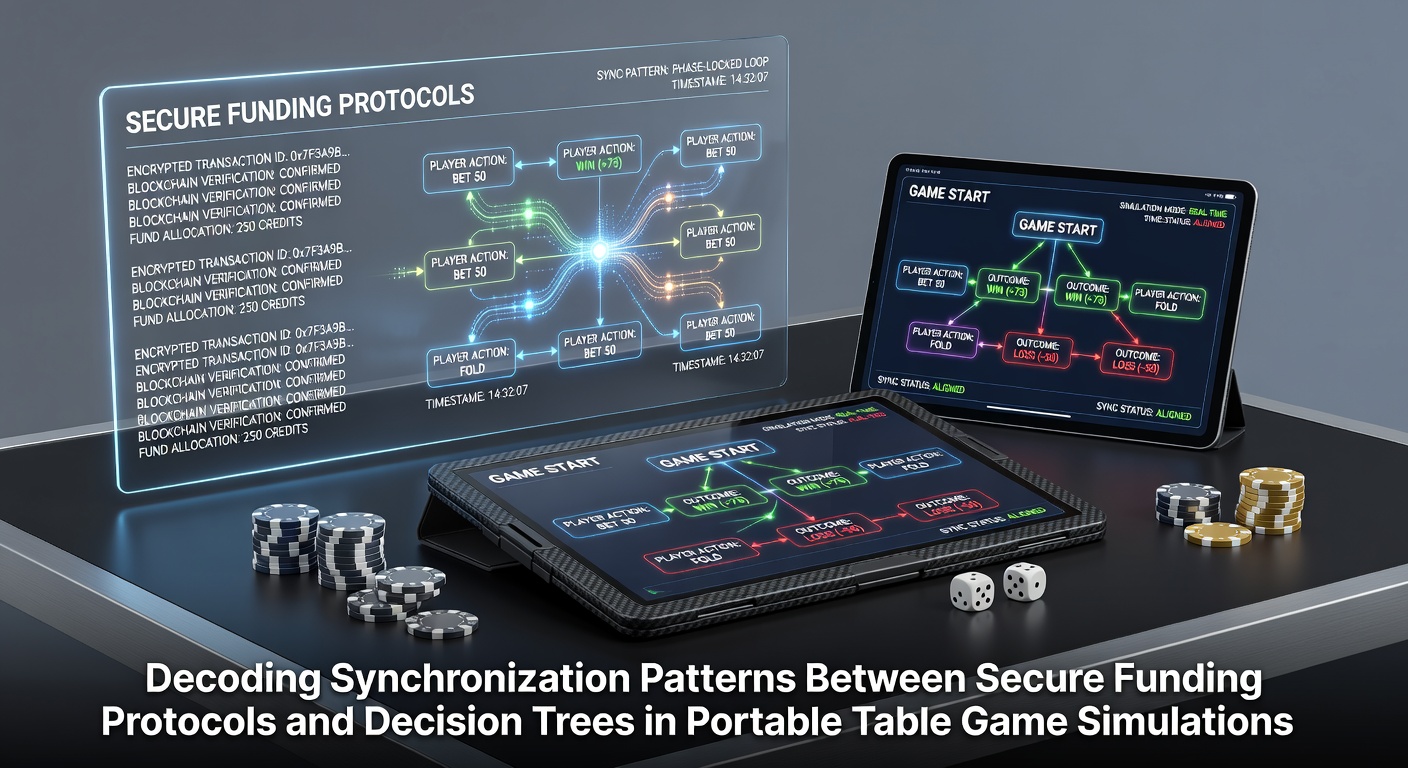
Portable table game simulations have expanded rapidly in recent years as developers integrate advanced computational methods to handle both financial transactions and strategic gameplay elements, and researchers continue to examine how secure funding protocols align with decision tree structures to maintain system integrity across mobile platforms. These alignments allow real-time processing of deposits and withdrawals while guiding algorithmic choices in games such as virtual blackjack or poker variants.
Core Components of Secure Funding Protocols
Secure funding protocols rely on encryption standards and multi-factor authentication layers that verify user identities before any monetary transfer occurs, and they operate through standardized frameworks established by bodies including the National Institute of Standards and Technology. Data shows these protocols process encrypted packets in milliseconds, which reduces latency during live sessions on portable devices. Observers note that synchronization begins when a funding request triggers an initial node in the decision tree, allowing the system to evaluate transaction risk before gameplay proceeds.
Decision Trees in Game Simulation Environments
Decision trees function as branching algorithms that map possible outcomes based on variables such as player bankroll, game rules, and historical patterns, and they draw from established machine learning techniques documented in academic studies from institutions like the University of Waterloo. Each node represents a conditional check that routes the simulation toward optimal or secure paths, while leaf nodes deliver final recommendations for actions within the table game. Research indicates that these trees adapt dynamically when new funding data arrives, creating feedback loops that refine future predictions without interrupting the user experience.
Synchronization Mechanisms and Pattern Identification
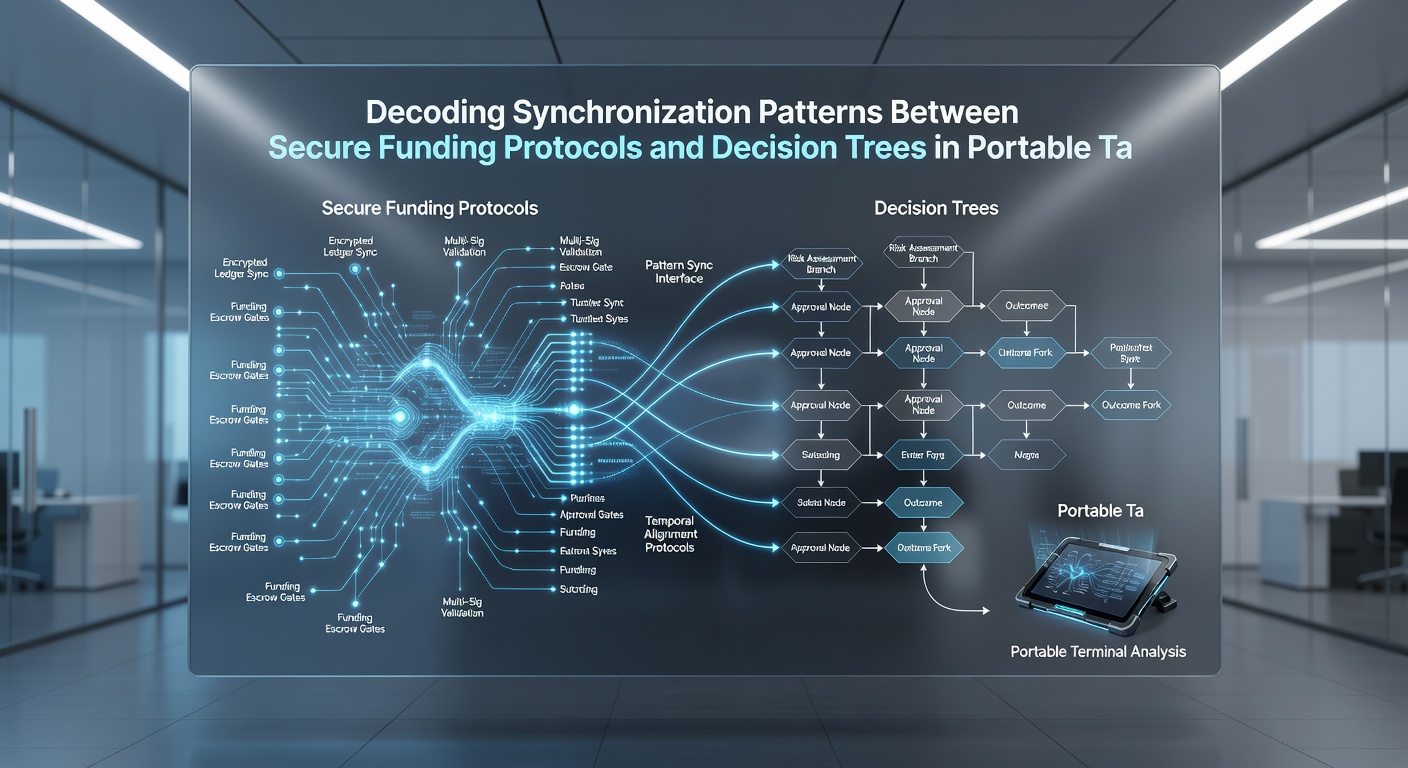
Patterns emerge when funding protocol outputs feed directly into decision tree inputs, and this linkage enables the simulation to pause or adjust gameplay elements if a transaction verification encounters delays or anomalies. In May 2026 industry reports highlighted several portable platforms that implemented timestamped handshakes between these systems, which improved consistency across different device operating systems. Those who have analyzed the logs describe recurring sequences where a successful protocol confirmation always precedes a deeper branch exploration in the tree, whereas failed verifications route the process to a fallback node that limits exposure.
Additional synchronization occurs through shared data schemas that map protocol fields such as transaction identifiers onto tree attributes like risk scores, and this mapping supports continuous monitoring without requiring separate databases. Experts have observed that portable table game simulations benefit when these patterns repeat across sessions, because the accumulated data strengthens the tree's predictive accuracy over repeated cycles. What's interesting is how minor variations in network conditions can shift the timing of these handshakes, prompting developers to embed tolerance thresholds that keep the overall pattern stable.
Practical Implementations Across Platforms
Developers apply these synchronized systems in applications that support both iOS and Android environments, and they often reference guidelines from the Canadian Gaming Association when designing compliance features. One documented case involved a simulation suite that used decision trees to determine whether to accept a micro-transaction mid-hand, with the secure protocol confirming funds before the tree finalized the outcome. Figures reveal that such integrations have supported thousands of concurrent sessions while maintaining sub-second response times, and the patterns decoded from usage data continue to inform refinements in both protocol security and tree depth.
Further examples appear in training modules where new users practice strategies without real currency, yet the same synchronization logic governs virtual funding events to mirror live conditions. Researchers discovered that exposing these patterns through visualization tools helps operators identify bottlenecks, particularly when decision trees grow beyond a certain number of branches and begin to strain protocol response windows. The reality is that portable environments impose constraints on processing power, so efficient synchronization remains essential for smooth performance.
Emerging Research Directions
Studies continue to explore how machine learning enhancements can strengthen the alignment between funding protocols and decision trees, and preliminary findings from European research consortia point toward hybrid models that incorporate reinforcement learning signals. These models treat synchronization events as rewards or penalties within the tree structure, allowing automatic adjustments based on long-term session data. Observers note that geographic variations in regulatory expectations influence which patterns receive priority, with Australian frameworks emphasizing audit trails that record every protocol-tree interaction.
Additional work focuses on scalability testing under peak loads, where multiple users initiate funding actions simultaneously and the decision trees must resolve competing branches without conflict. Data from controlled trials shows that optimized synchronization reduces error rates by measurable margins, although exact figures depend on the specific hardware configurations involved. People who've examined the underlying codebases often discover that small changes to node weighting produce outsized effects on overall pattern stability.
Conclusion
The interplay between secure funding protocols and decision trees in portable table game simulations continues to evolve as technical standards advance and usage patterns become better understood, and ongoing analysis of these synchronization mechanisms provides the foundation for more reliable mobile experiences. Continued attention to documented research and regulatory sources supports further refinements across the sector.