20 Jul 2026
Demographic Influences on Entertainment Module Selections Within Cross-Border Digital Gaming Frameworks
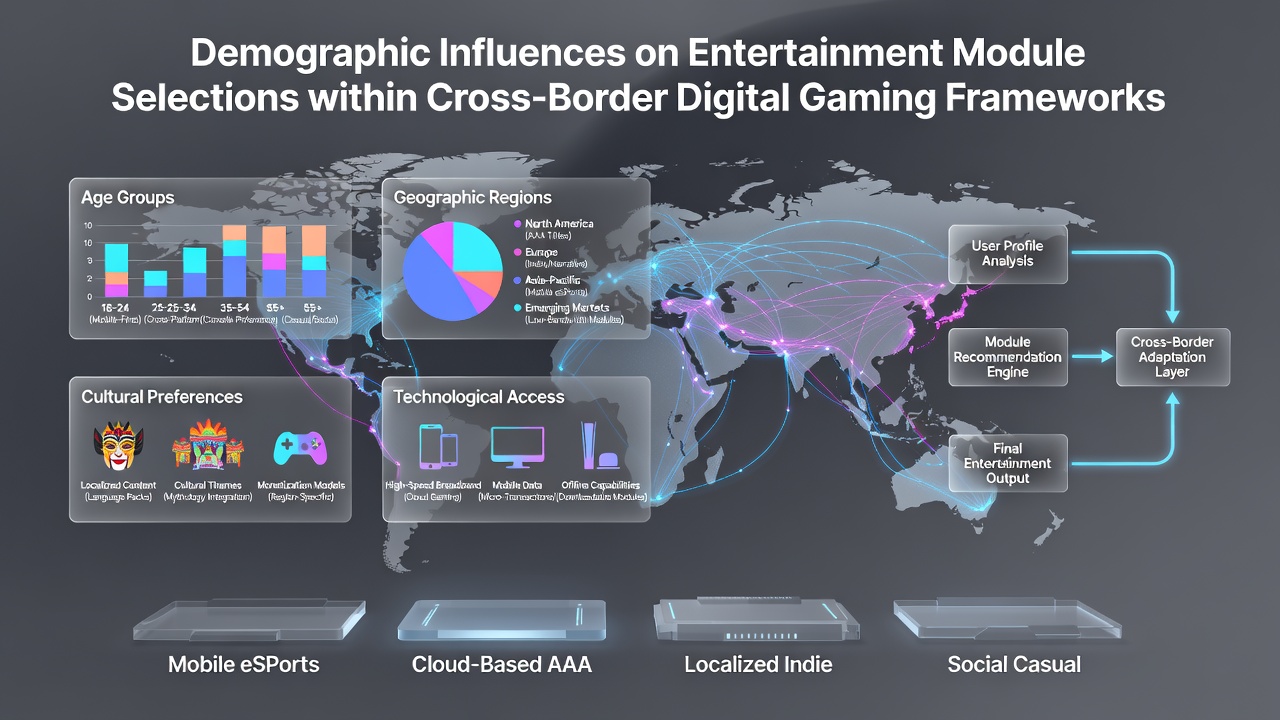
Data from industry reports indicate that age, gender, geographic location and income levels continue to shape which entertainment modules users select on cross-border digital gaming platforms, and these patterns have remained consistent through mid-2026. Researchers tracking platform analytics note that younger cohorts gravitate toward fast-paced competitive modules while older participants favor narrative-driven experiences that allow extended sessions without high-intensity demands.
Age-Based Preferences Across Platforms
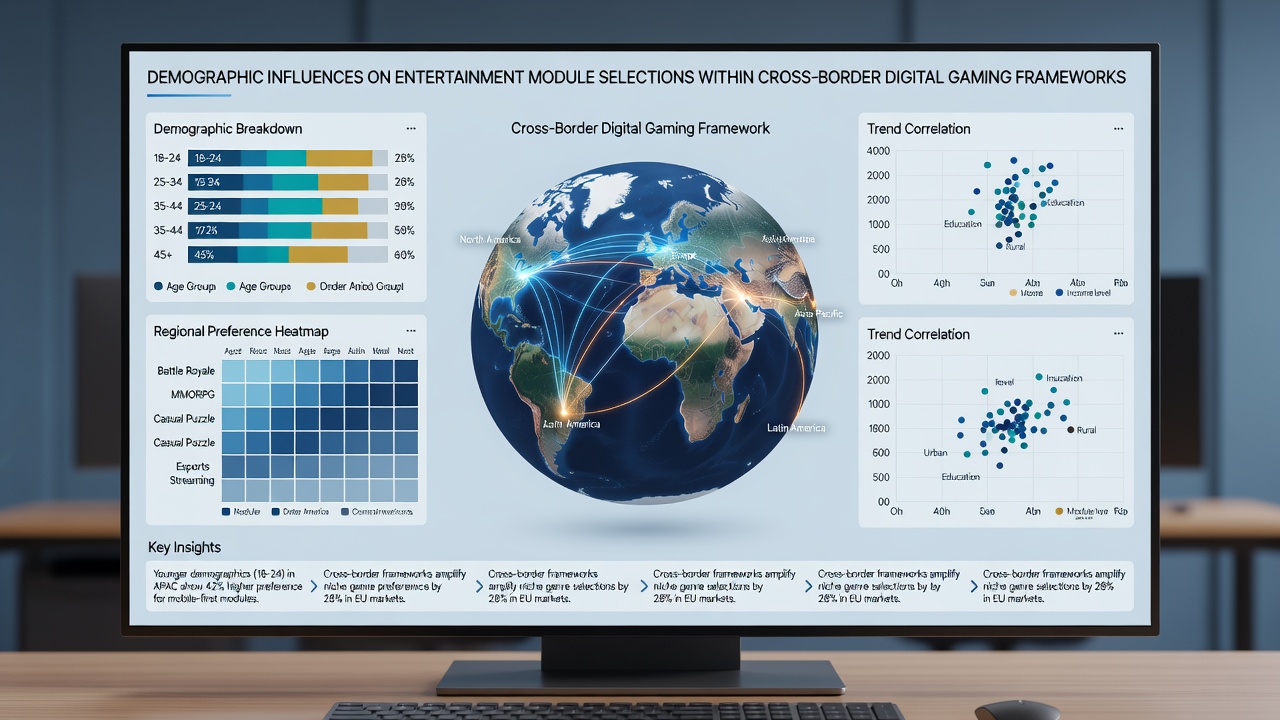
Studies conducted by the Entertainment Software Association reveal that users aged 18 to 24 select multiplayer battle modules at rates nearly three times higher than those over 45, and this divide persists across North American, European and Asian markets. Meanwhile participants in the 35 to 54 range demonstrate stronger engagement with strategy and simulation modules that integrate progression systems spanning multiple weeks or months. Platform operators report that age segmentation tools now adjust module recommendations automatically based on user registration data collected at signup.
Gender and Cultural Factors in Module Selection
Analyses from the Interactive Games and Mobile Association in Australia show female users across the Asia-Pacific region choosing social and cooperative modules at higher frequencies than male counterparts, while male users in the same datasets select competitive and achievement-oriented modules more often. Cultural background further refines these choices, with users from collectivist societies displaying greater uptake of team-based modules that emphasize group coordination over individual rankings. Cross-border platforms accommodate these variations through localized content filters that draw on registration details and behavioral data accumulated during initial sessions.
Regional Economic Influences and Access Patterns
Income disparities affect module accessibility in measurable ways, as documented in quarterly updates from the European Games Developer Federation. Higher-income brackets in Western Europe and North America show elevated selection rates for premium modules that include cosmetic upgrades and expanded storylines, whereas users in emerging markets often prioritize free-to-access modules with shorter session lengths due to variable connectivity. In July 2026 several major platforms introduced tiered pricing structures that align module availability with regional purchasing power indicators derived from public economic data.
Education Levels and Engagement Depth
Survey data compiled by academic researchers at universities in Canada and South Korea indicate that users holding advanced degrees spend more time within complex simulation and management modules that require strategic planning over extended periods. Those with secondary education levels demonstrate preference for modules featuring quick feedback loops and visual rewards that deliver immediate satisfaction. These educational correlations appear independent of age, suggesting separate demographic vectors operate simultaneously within the same user bases on international servers.
Platform Adaptations to Demographic Data
Cross-border gaming networks have implemented machine learning systems that aggregate anonymized demographic signals to refine module presentation without violating privacy regulations in multiple jurisdictions. Operators cite internal metrics showing improved retention when recommendations match observed demographic clusters rather than applying uniform catalogs to all regions. Regulatory frameworks in the United States, European Union member states and parts of Southeast Asia require transparency around these algorithmic adjustments, prompting companies to publish aggregate demographic summaries on an annual basis.
Conclusion
Demographic variables continue to drive measurable differences in entertainment module selections within cross-border digital gaming environments, and platform operators respond through data-informed customization. Continued monitoring by industry associations and academic institutions provides ongoing insight into how these patterns evolve alongside technological and regulatory shifts.