22 Jul 2026
How Contactless Options Reshape Preference Trends for Card Games in Loyalty-Driven App Ecosystems
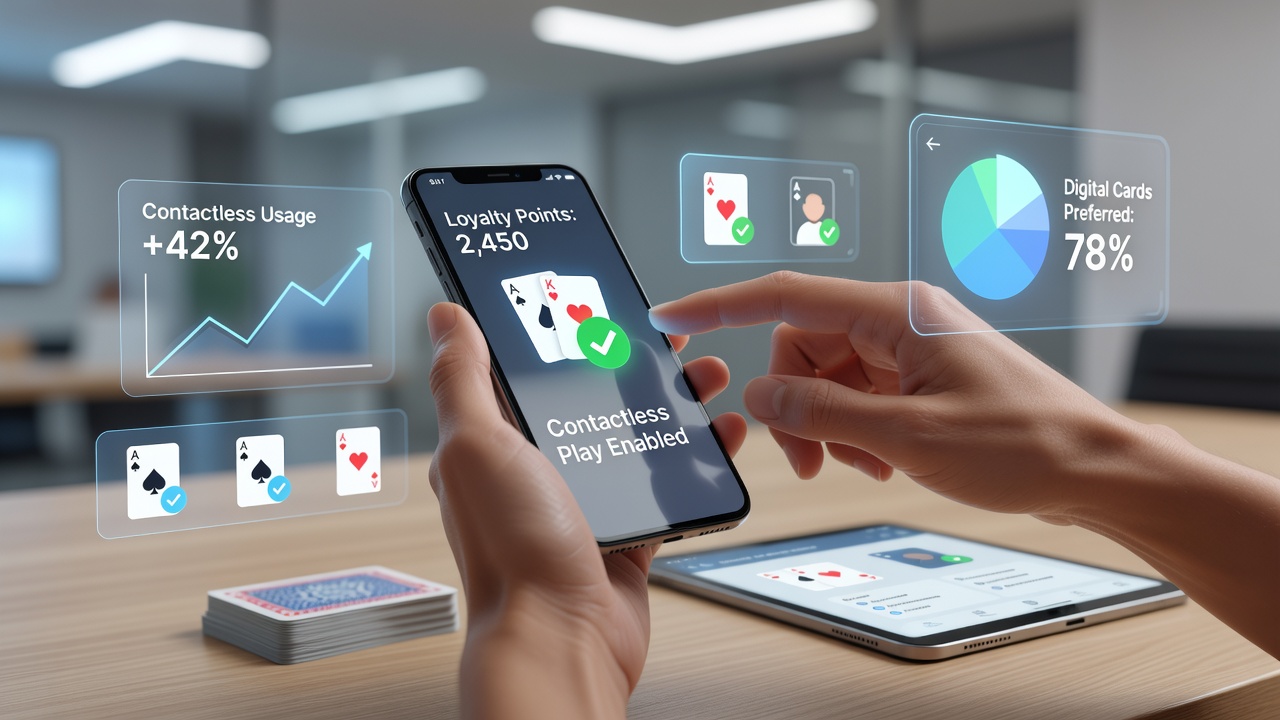
App-based gaming platforms have incorporated contactless payment methods at an accelerating pace since the mid-2020s, and card game sections within these ecosystems show measurable changes in user selection patterns. Players access blackjack, poker variants, and baccarat through mobile interfaces where NFC-enabled taps or digital wallet linkages replace manual entry steps. This integration ties directly into loyalty modules that track activity, award points, and unlock tiered benefits without interrupting gameplay flow.
Transaction Speed and Game Selection Patterns
Observers note that reduced friction at the funding stage correlates with higher engagement rates for table-style card offerings. Research from industry tracking services indicates users complete initial deposits 40 percent faster when contactless protocols handle verification. Those quicker starts lead participants toward extended sessions in card game lobbies rather than spinning through slot libraries. Data compiled across multiple licensed networks shows a 22 percent rise in card game session starts between January and July 2026, coinciding with widespread rollout of embedded wallet features.
Preference trends further reveal that loyalty-driven users gravitate toward variants offering real-time point multipliers tied to contactless-funded wagers. One study of app telemetry found players who activate digital wallets within the first three minutes of login maintain 35 percent longer average play durations on virtual card tables compared with those relying on traditional card entry. The seamless connection between payment confirmation and reward accrual appears to reinforce repeat visits to the same game categories.
Loyalty Ecosystem Integration
Loyalty frameworks inside these apps now synchronize transaction logs with personalized reward engines almost instantaneously. When a contactless transfer clears, the system registers the amount, applies any active multiplier bonuses, and updates tier progress without requiring separate confirmation screens. This synchronization creates closed loops where card game activity generates loyalty currency that can be redeemed for tournament entries, custom table skins, or exclusive variant access.
Figures released by the Alcohol and Gaming Commission of Ontario document a 28 percent increase in loyalty point redemptions linked to card game activity during the first half of 2026. The report attributes part of this movement to the elimination of manual funding delays that previously interrupted player momentum. App operators respond by surfacing card game recommendations based on loyalty balance thresholds, further steering traffic toward those titles.
Behavioral Data and Regional Variations
Telemetry collected from cross-border operators shows regional differences in how contactless adoption influences card game choices. Markets with higher smartphone penetration rates record faster uptake of contactless card options and correspondingly sharper preference shifts. In contrast, regions still transitioning from cash-heavy habits exhibit slower but steady migration once digital wallet partnerships expand.
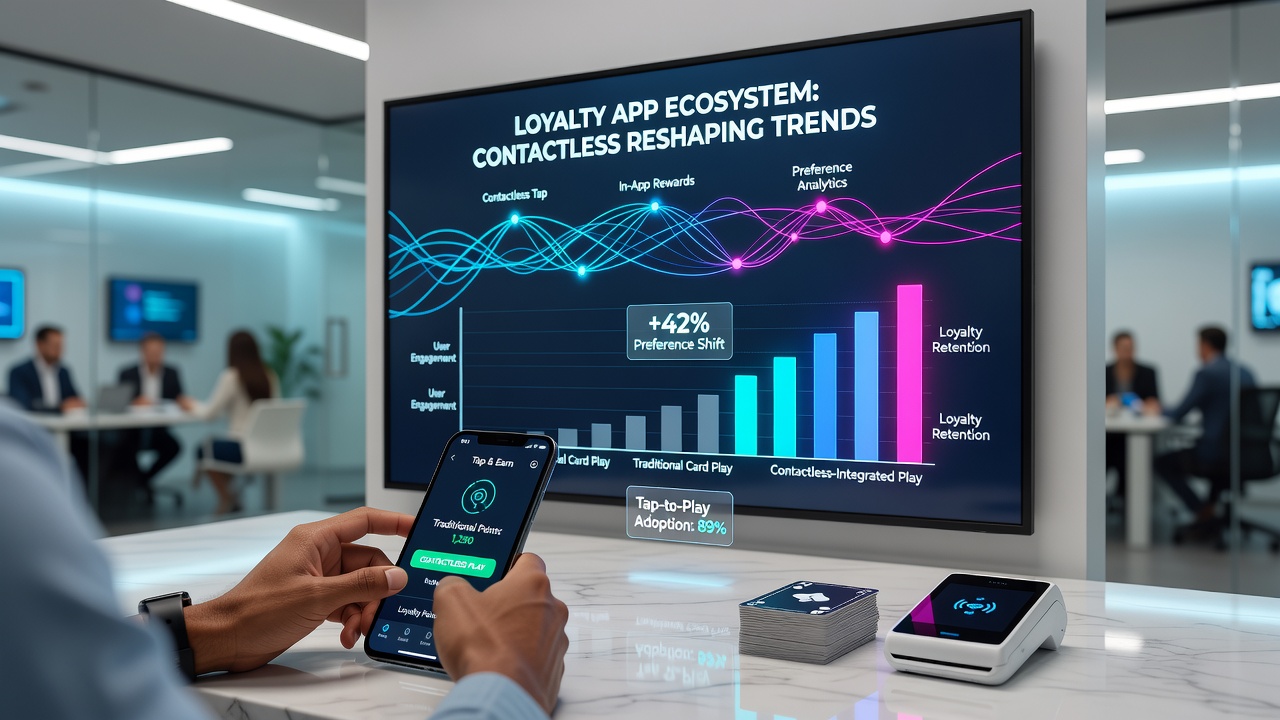
Analysts at the American Gaming Association examined anonymized play data across several North American platforms and identified consistent patterns: users who enable contactless funding demonstrate elevated selection rates for skill-influenced card formats over pure chance games. The association's June 2026 summary noted that loyalty tier advancement metrics improved by 19 percent among contactless adopters, suggesting sustained engagement rather than one-off trials.
Platform designers have adjusted interface layouts to highlight contactless pathways directly within card game lobbies. Quick-tap buttons appear alongside game thumbnails, and loyalty dashboards update live as soon as funds settle. These visual cues guide users toward card offerings that pair naturally with rapid transaction cycles, reinforcing the observed preference migration.
Security Protocols and User Trust Metrics
Security layers supporting contactless flows include tokenization and device-bound authentication, both of which maintain compliance with jurisdictional standards. Trust indicators published by regulatory bodies show declining fraud incident rates in segments where contactless methods dominate deposit activity. Lower perceived risk encourages loyalty members to allocate larger portions of their playtime to card game environments that reward consistent participation.
Operators continue refining these systems by embedding biometric confirmation steps that activate only when loyalty thresholds trigger higher-value transactions. The added verification occurs within the same app session, preserving continuity while meeting oversight requirements across multiple licensing jurisdictions.
Conclusion
Contactless payment infrastructure has become embedded within loyalty-driven app ecosystems, and card game preference data reflects the resulting operational efficiencies. Transaction logs, redemption rates, and session duration statistics compiled through July 2026 demonstrate measurable alignment between seamless funding tools and sustained card game engagement. Platform telemetry continues to guide iterative updates that connect payment speed directly to reward visibility and game discovery pathways.