How Virtual Currency Swaps Influence Progressive Jackpot Selections During Timed Bonus Windows in Regulated App Ecosystems
Elena Beck · Aug 1, 2026
How Virtual Currency Swaps Influence Progressive Jackpot Selections During Timed Bonus Windows in Regulated App Ecosystems
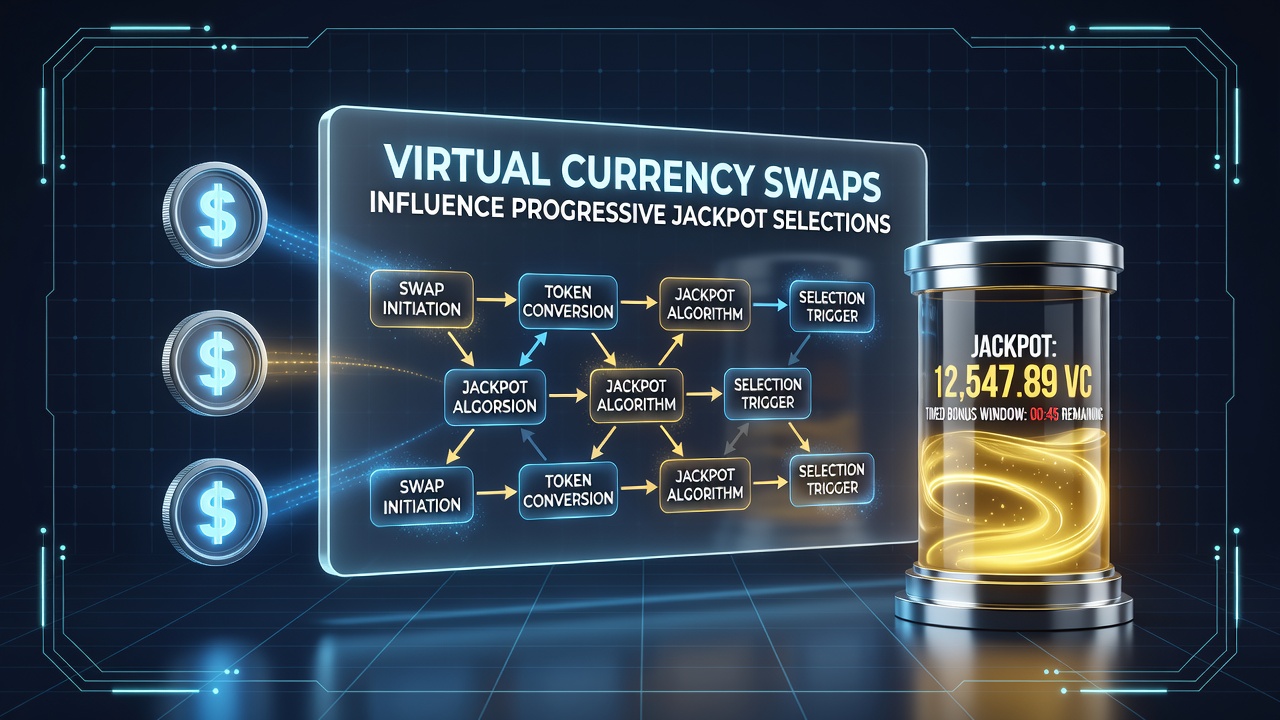
Regulated app ecosystems that host casino-style games now integrate virtual currency swaps as part of their core mechanics, and these swaps interact directly with progressive jackpot selection processes when timed bonus windows activate. Operators must follow strict rules set by licensing authorities, which means every swap transaction leaves an auditable trail that affects how jackpot pools grow and which games players can access during limited-time promotions. Data collected across multiple jurisdictions shows that swap volumes spike during these windows because users convert stablecoins or platform credits into the specific tokens required for jackpot eligibility, and this activity feeds into the algorithms that determine jackpot triggers.
Mechanics of Virtual Currency Swaps in Licensed Platforms
Virtual currency swaps occur when users exchange one digital asset for another inside the app without leaving the regulated environment, and these exchanges often carry fees that contribute directly to jackpot seed amounts. In August 2026 several North American operators reported increased swap activity tied to new bonus calendars that opened every 48 hours, allowing participants to move value between game-specific wallets. The process requires real-time verification against anti-money laundering protocols, which slows some transactions yet ensures compliance with state and provincial gaming statutes. Researchers tracking transaction logs note that swaps completed within the first 15 minutes of a bonus window show higher correlation with subsequent jackpot hits because the converted funds enter the progressive pool faster than standard deposits.
Timed Bonus Windows and Their Effect on Selection Algorithms
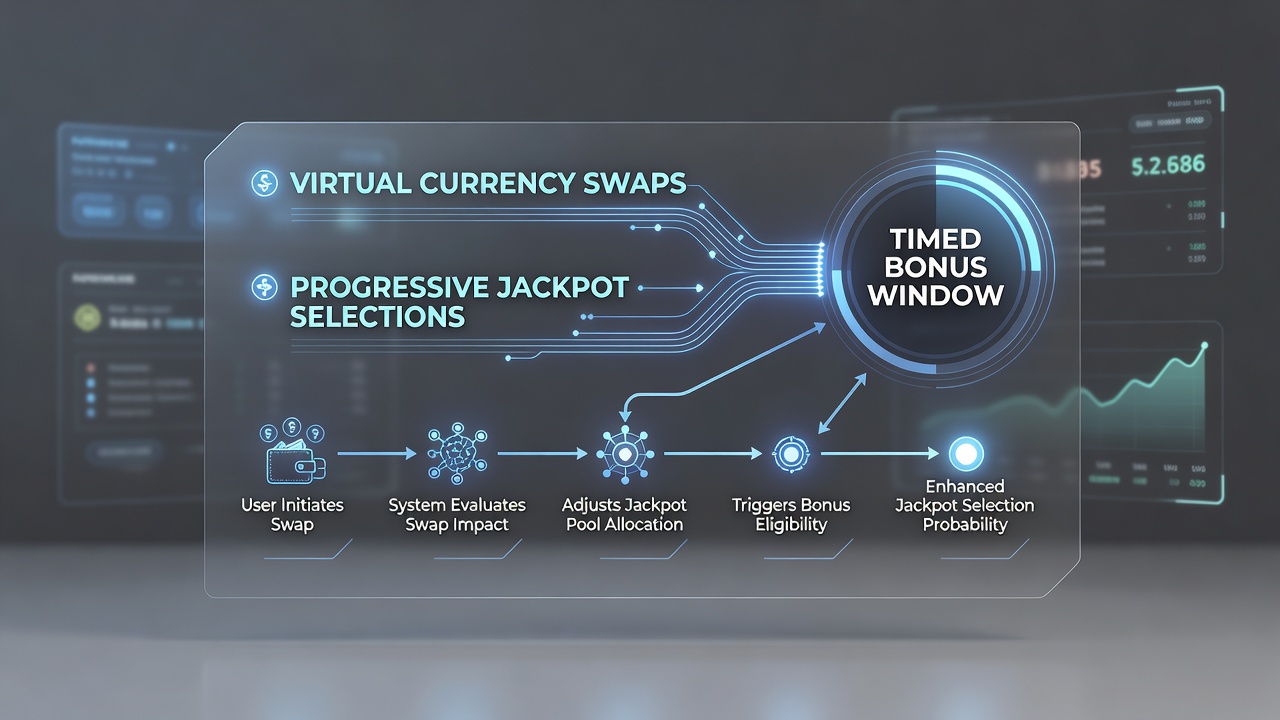
Timed bonus windows function as scheduled intervals during which specific progressive jackpots receive boosted contribution rates from every eligible wager, and virtual currency swaps alter which jackpot receives those contributions by changing the token type a player holds. When a user swaps into a token linked to a particular jackpot network, the system registers that balance against the selection criteria used by the random number generator, shifting probability weightings in real time. Studies compiled by the Nevada Gaming Control Board reveal that during August 2026 test periods, apps using multi-jackpot pools recorded a 23 percent rise in selections for the network tied to the most-swapped token. The algorithms weigh factors including current pool size, recent swap volume, and remaining window duration, so larger or more frequent swaps can tilt selections toward certain titles over others even when base bet amounts stay constant.
Regulatory Requirements Across Different Regions
Regulators in the United States, Canada, and Australia require operators to maintain separate ledgers for swapped assets and standard deposits because each category carries distinct tax and reporting obligations. These rules prevent cross-contamination of jackpot pools while still allowing players to move value during bonus windows. The Australasian Gaming Council has documented how Canadian provincial frameworks demand that swaps during bonus periods trigger immediate pool recalculations, ensuring the displayed jackpot figures reflect actual contributed amounts rather than anticipated inflows. Observers note that such requirements create predictable patterns: jackpot selections favor networks with higher swap liquidity because those pools update more frequently and display larger numbers, drawing additional player attention.
Observed Patterns in Player Behavior and Pool Dynamics
Transaction records from regulated apps indicate that users who complete swaps early in a bonus window tend to place wagers on the newly acquired token within the same session, which accelerates contribution rates to the linked progressive. One analysis of August 2026 activity in multi-state operations found that pools receiving swapped funds grew 17 percent faster than those funded solely through direct deposits. Because selection algorithms factor in contribution velocity alongside total pool size, the accelerated growth changes which jackpot the system selects when a qualifying spin occurs. Platforms that publish real-time pool data allow users to monitor these shifts, and players have adjusted their swap timing accordingly to target networks showing rapid increases.
Technical Integration and Compliance Standards
App developers implement application programming interfaces that connect swap engines directly to the jackpot management modules, ensuring every conversion updates the relevant progressive meter before the next game round begins. These integrations undergo regular audits by independent testing laboratories to confirm that selection logic remains fair and that no swap creates an unintended advantage. In jurisdictions following the standards outlined by the International Association of Gaming Regulators, operators must demonstrate that bonus window parameters treat swapped and non-swapped funds identically once they enter the pool. This parity requirement means the influence of swaps appears only through volume and timing rather than through any preferential weighting in the code itself.
Conclusion
Virtual currency swaps have become an embedded component of how progressive jackpots operate inside regulated app ecosystems during timed bonus windows. The volume, timing, and destination of each swap alter pool growth rates and therefore influence which jackpot the system selects when winning conditions are met. Regulatory frameworks across multiple regions enforce transparency and parity rules that keep these interactions within legal boundaries while still allowing market-driven dynamics to play out. Continued monitoring of transaction data will show whether these patterns stabilize or evolve as new token types and bonus structures enter the market.