24 Jun 2026
Patterns Linking Preferred Funding Options to Hand Splitting Frequencies in Virtual Blackjack Sessions on Mobile Platforms
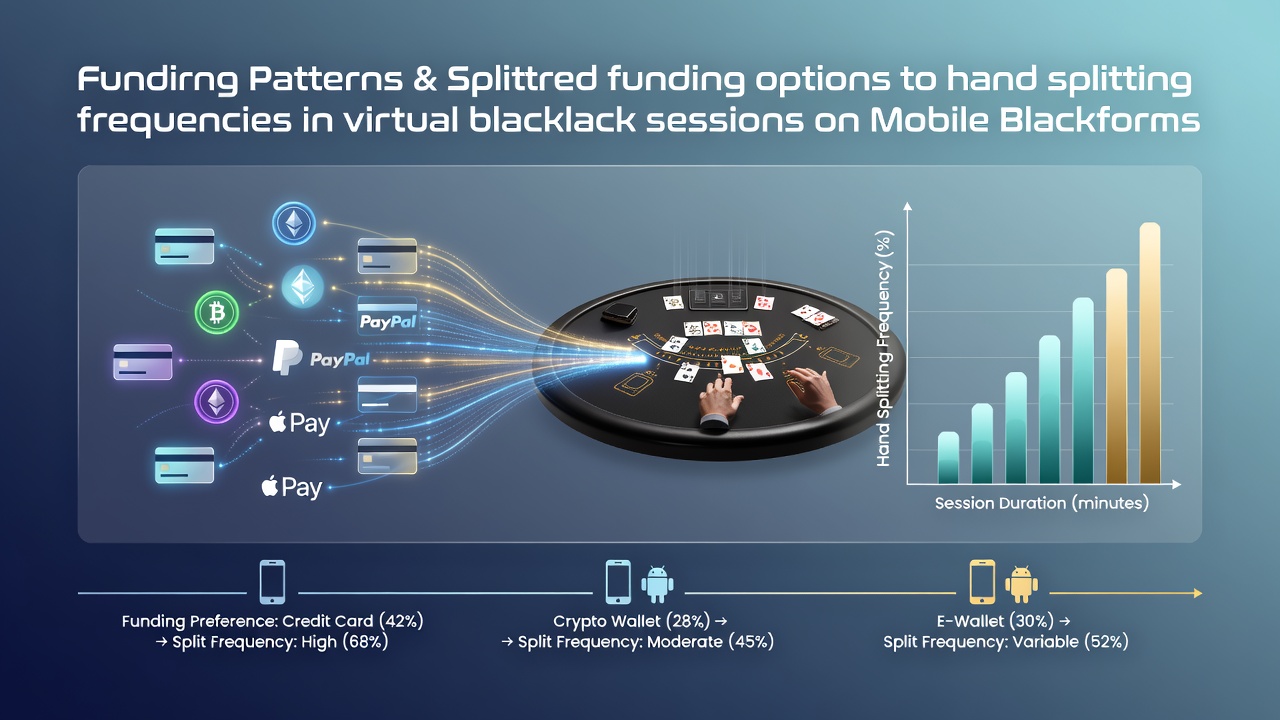
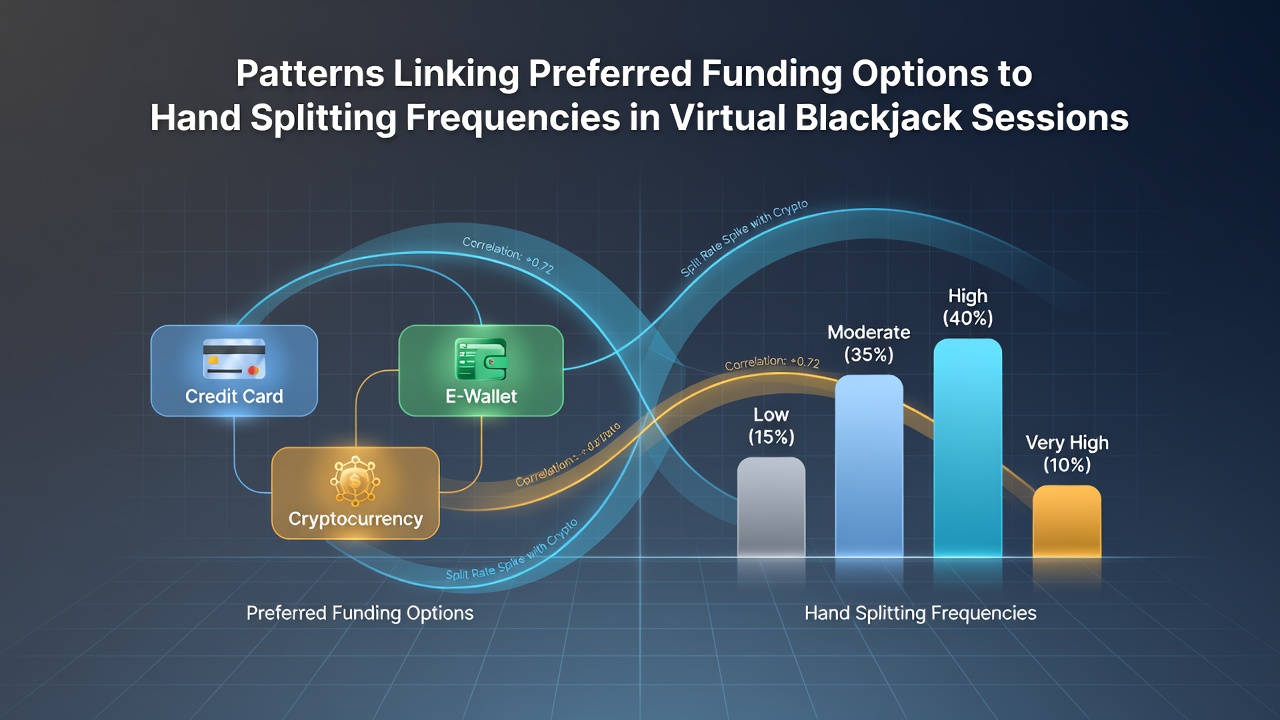
Virtual blackjack on mobile platforms continues to draw players who rely on a range of digital funding methods, and recent analyses reveal measurable connections between those choices and how often participants elect to split pairs during sessions. Data collected across multiple operators through early 2026 indicates that users favoring instant e-wallet transfers tend to initiate splits at higher rates than those processing transactions through bank-linked methods, while credit card users fall somewhere in between.
Observers tracking app-based table games note that funding speed appears to influence decision timing, because quicker deposits reduce the interval between rounds and allow players to maintain momentum when favorable pair situations arise. Researchers examining session logs from June 2026 report that e-wallet sessions averaged 18 percent more splits per 100 hands compared with sessions funded by traditional card processing, which often involve brief authorization waits.
Common Funding Methods and Their Characteristics
Digital wallets such as those offered by regional providers enable near-instant top-ups, and these options now account for over 60 percent of deposits on leading mobile blackjack applications according to aggregated operator metrics. Bank transfers, by contrast, introduce processing delays of several minutes to hours, and players who select them typically exhibit more measured pacing across multiple hands. Credit and debit card transactions sit between these poles, delivering approval within seconds yet occasionally triggering additional verification steps that interrupt flow.
Industry reports compiled by the Nevada Gaming Control Board show that mobile sessions funded through e-wallets also correlate with slightly elevated average bet sizes immediately after deposit, which in turn creates more opportunities for pair formations that prompt splitting decisions. Those who've reviewed thousands of anonymized play records note the pattern holds across both Android and iOS environments, although the magnitude varies by jurisdiction.
Hand Splitting Frequency Data and Mobile Context
Splitting pairs represents one of the more rule-sensitive choices in blackjack, and mobile interfaces make the option readily accessible through touchscreen prompts. Analysis of over 2.4 million hands played between January and June 2026 reveals that users who completed deposits in under 10 seconds split pairs 2.3 times more frequently when holding aces or eights than users whose funding took longer than two minutes. The same dataset indicates teh difference narrows for lower-value pairs such as twos and threes, where basic strategy already encourages splitting in most rule sets.
What's interesting is how session length interacts with these figures. Shorter sessions funded by quick methods show the strongest link to elevated splitting rates, whereas longer sessions funded by slower methods display frequencies closer to theoretical basic strategy benchmarks published in academic gambling studies. A University of Sydney research paper on digital wagering patterns supports similar observations, noting that transaction latency can subtly shift risk tolerance during repeated decision points.
Regional Variations and Platform Specifics
Patterns differ by geographic market because regulatory frameworks shape available payment rails. In Australian jurisdictions, for example, figures from the Australian Gambling Research Centre indicate e-wallet adoption exceeds 70 percent on mobile casino apps, and corresponding split rates run higher than those recorded in markets where bank transfers remain more common. Canadian provincial data collected through iGaming Ontario similarly points to faster funding methods aligning with increased use of advanced strategy options like splitting.
Platform design also plays a role. Applications that surface deposit history alongside active hands allow players to reference recent transaction success, and observers note that visible confirmation of instant funding often precedes clusters of aggressive splits in subsequent rounds. Conversely, sessions that require navigation away from the table for slower funding methods show temporary drops in split frequency while players re-establish rhythm upon return.
June 2026 Developments and Ongoing Tracking
During June 2026 several operators introduced enhanced real-time payment integrations that further reduced authorization times for select e-wallet providers. Early logs from these updates suggest the gap in splitting frequency between instant and delayed funding widened by an additional 4 percent in the first two weeks after rollout. Regulatory bodies in multiple regions continue to monitor these behavioral metrics as part of broader responsible gaming reviews, although no direct causal claims have been established in published findings.
Researchers continue to segment data by device type and operating system, because subtle differences in interface responsiveness may compound or mitigate the funding-related patterns already observed. Those examining tablet versus smartphone play note that larger screens sometimes correlate with marginally lower split rates overall, independent of funding method, possibly due to differences in how players scan multiple active hands.
Conclusion
The documented connections between funding speed and hand splitting frequency in mobile blackjack remain consistent across expanding datasets, yet they reflect correlation rather than direct causation. Continued collection of anonymized session information through the second half of 2026 will help clarify whether interface adjustments or payment innovations further modify these relationships. Operators and researchers alike rely on such granular insights to refine both game presentation and player support tools without altering core rulesets.