15 Jul 2026
Regional Regulatory Frameworks Shaping Mobile Game Availability and Payment Processing Efficiencies in Cross-Platform Casino Networks
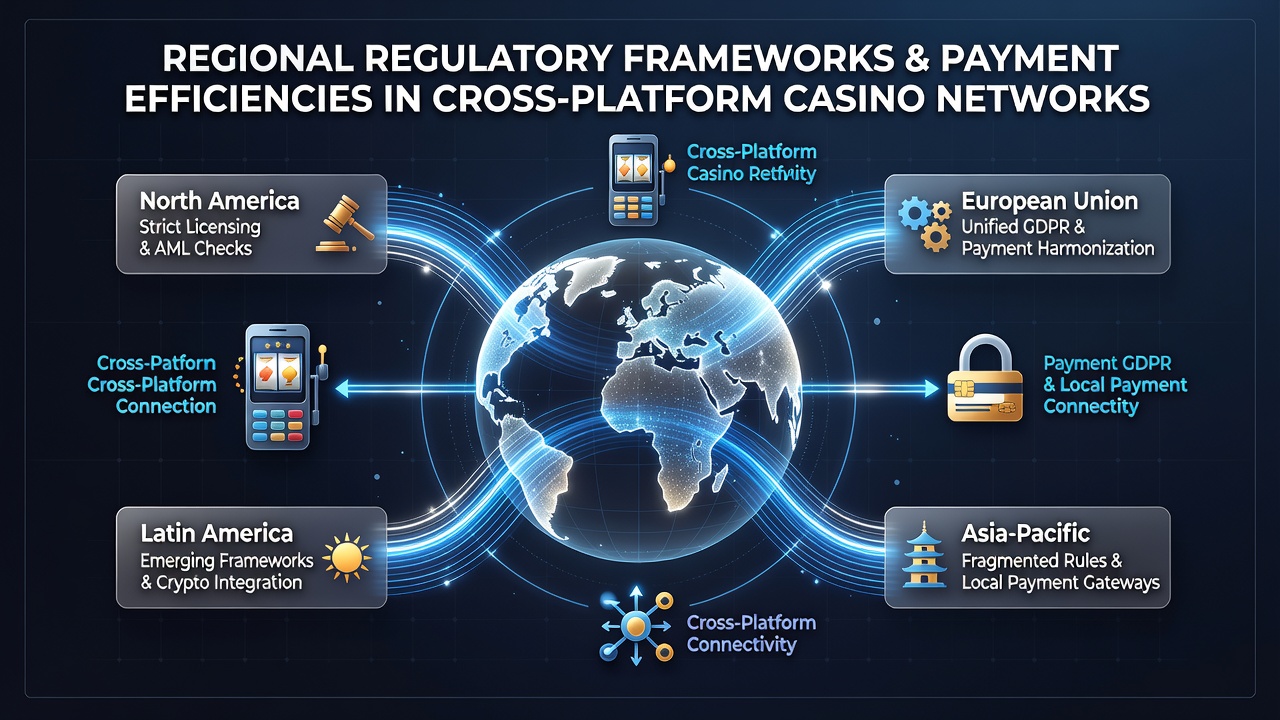
Regional regulatory frameworks determine how mobile casino games reach users and how payment systems operate within cross-platform networks, with rules varying sharply across continents and creating distinct patterns of availability plus processing speed. Data from multiple oversight bodies shows that licensing requirements, data protection mandates, and financial transaction standards directly control which titles appear on smartphones and tablets while dictating the velocity of deposits and withdrawals.
European Union Directives and Their Reach
The revised Payment Services Directive, known as PSD2, continues to shape transaction flows across member states, requiring strong customer authentication that adds verification layers yet also enables open banking connections between casino platforms and banks. Observers note that these rules have accelerated integration of instant bank transfers in several countries while restricting certain high-risk payment methods that previously dominated mobile casino deposits. By July 2026 many operators had adjusted their cross-platform systems to comply with updated consumer protection clauses that limit session times and enforce spending caps on portable devices.
Geoblocking remains standard under national licensing regimes, so users in one country often cannot access the same game library available to players just across a border. Research from the European Gaming and Betting Association indicates that licensed operators maintain separate mobile catalogs for each jurisdiction, which reduces unauthorized access but fragments the user experience across networks.
North American State-Level Controls
Individual U.S. states set their own standards for mobile gaming, producing a patchwork that affects both game availability and payment processing speeds. States with established regulatory bodies require operators to route all transactions through approved financial institutions, which can extend settlement times compared with regions that permit a wider range of digital wallets. Canadian provincial frameworks, meanwhile, emphasize responsible gaming tools that integrate directly into payment flows, automatically flagging rapid deposit sequences on mobile applications.
Those frameworks often mandate that cross-platform networks verify user location in real time, which adds processing overhead yet improves compliance accuracy. Figures from state gaming commissions reveal that approved operators in regulated markets process withdrawals faster once identity checks clear, because pre-vetted payment rails reduce fraud reviews.
Asia-Pacific Licensing Models
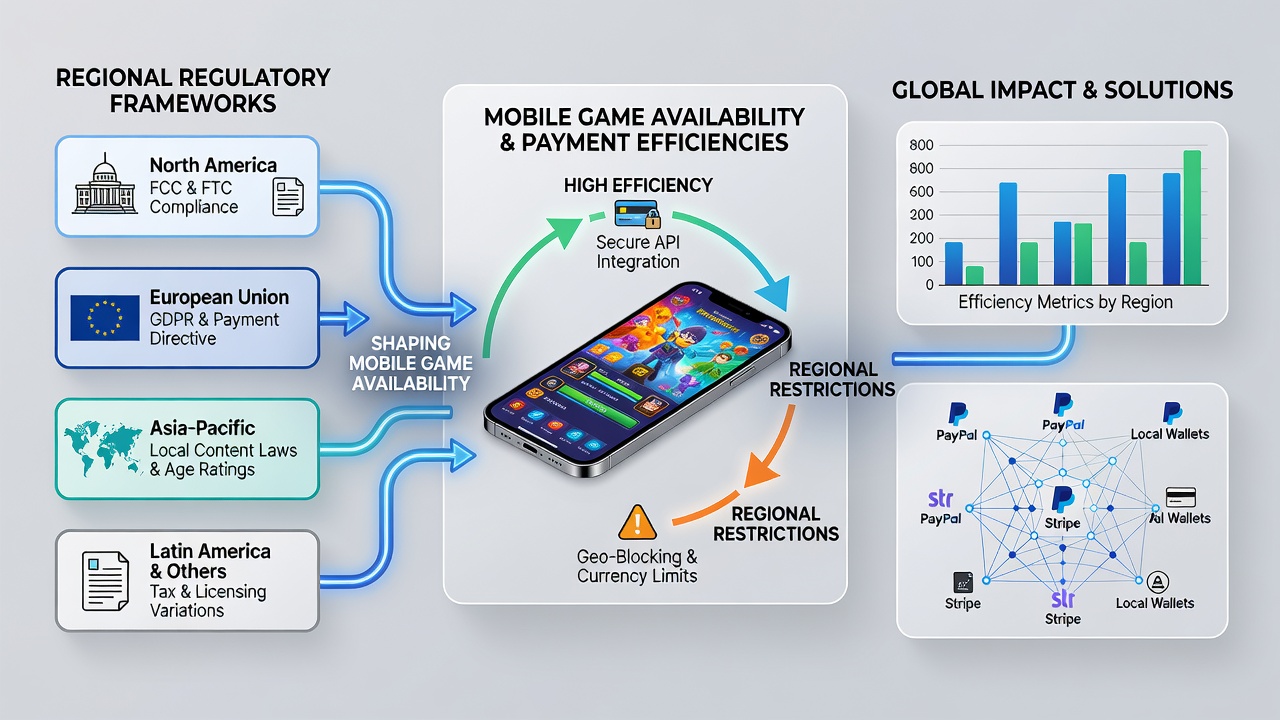
Singapore and Malaysia maintain tight controls on mobile casino offerings, requiring local servers and approved payment gateways that limit which games reach smartphones. These rules have produced efficient domestic processing but slower cross-border transactions when users attempt to connect with international networks. Australian state regulators have introduced digital identity verification standards that streamline deposits while blocking certain cryptocurrency options on portable platforms.
Industry reports compiled by the Asia-Pacific Gaming Council show that jurisdictions enforcing server localization see higher compliance rates yet face occasional delays when payment processors must reconcile records across borders. Operators in these markets often maintain parallel mobile libraries, one for fully licensed users and another for restricted access regions.
Effects on Payment Processing Efficiency
Regulatory demands for transaction monitoring influence how quickly funds move through cross-platform casino networks. Jurisdictions that permit open banking see deposit confirmation times drop below ten seconds on average, according to data shared by the European Banking Authority. In contrast, regions requiring manual review of every mobile transaction report average processing windows of several hours for both deposits and withdrawals.
Cross-platform operators adapt by building modular payment layers that switch between approved methods depending on user location. This approach preserves compliance while maintaining acceptable speeds, though it increases development costs for companies serving multiple regulatory zones.
Conclusion
Regional regulatory frameworks continue to define the boundaries of mobile game availability and the pace of payment processing in cross-platform casino networks. Differences in licensing, authentication rules, and financial oversight create measurable variations in what users can access and how rapidly transactions complete. As new directives take effect, operators adjust their systems to meet local standards while preserving functionality across devices and borders.