25 Jul 2026
The Interplay Between Loyalty Point Accumulation and Touchscreen Blackjack Adjustments in App Ecosystems Featuring Instant Payout Options
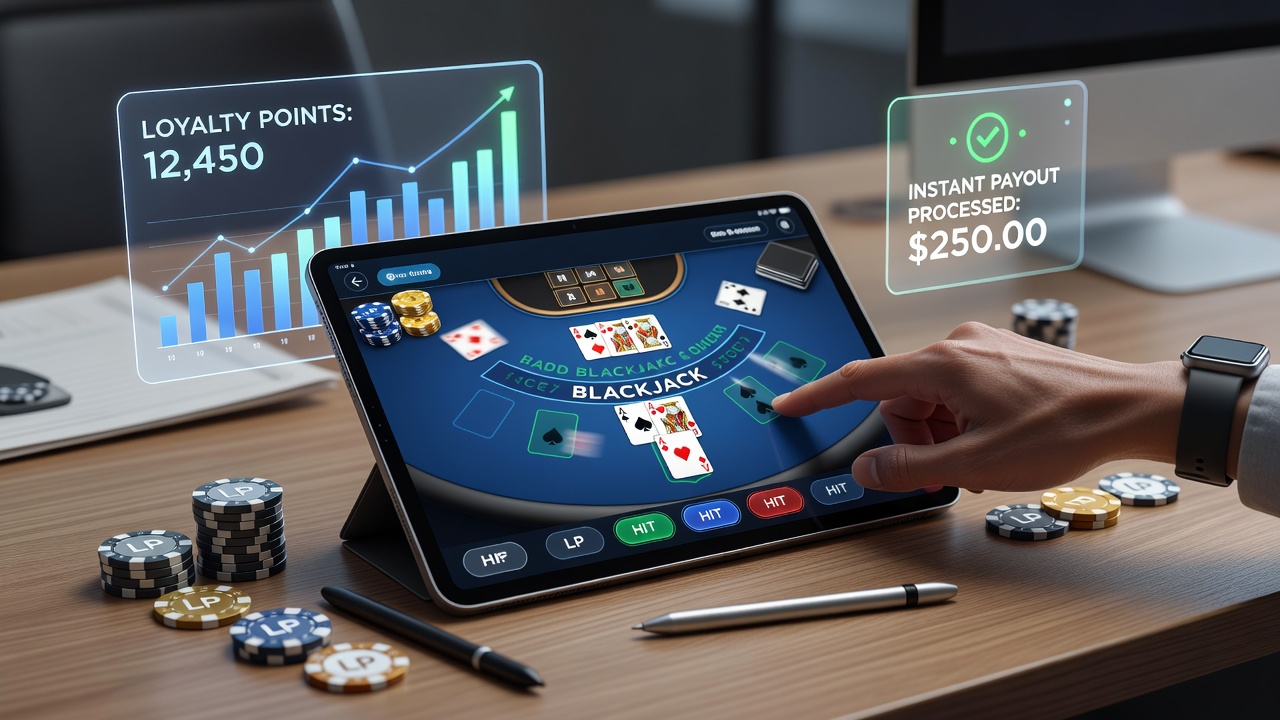
App-based casino platforms have integrated loyalty point systems with blackjack gameplay mechanics that adapt to touchscreen controls while supporting instant payout features, and observers note these elements interact in ways that influence player decision patterns across digital environments. Data from industry tracking services indicate that users accumulate points through repeated sessions on virtual card tables, which in turn prompt adjustments in how strategies unfold when fingers interact directly with screens rather than physical cards or buttons.
Loyalty Accumulation Mechanisms in Digital Ecosystems
Platforms award points based on wager volume and session duration, with structures often tied to tiered rewards that unlock additional features or enhanced payout speeds. Research from regulatory bodies such as the Nevada Gaming Control Board shows that these programs track activity in real time, feeding data back into app algorithms that adjust bonus triggers for subsequent hands. Players who reach higher accumulation thresholds gain access to modified table rules or exclusive variants, yet the core mechanics remain consistent with standard blackjack probabilities.
Touchscreen Interface Influences on Strategy Execution
Blackjack apps designed for mobile devices incorporate gesture-based controls where taps, swipes, and holds replace traditional button presses, leading users to modify common strategies like splitting pairs or doubling down based on screen responsiveness. Studies from academic institutions including the University of Nevada, Las Vegas have documented that touch latency and interface layout can shift hit-versus-stand choices, particularly during high-stakes sequences where instant payout options allow immediate fund access after each resolved hand. Those adjustments appear more pronounced in portrait mode sessions compared with landscape orientations, as hand positioning relative to the deck display changes the timing of decisions.
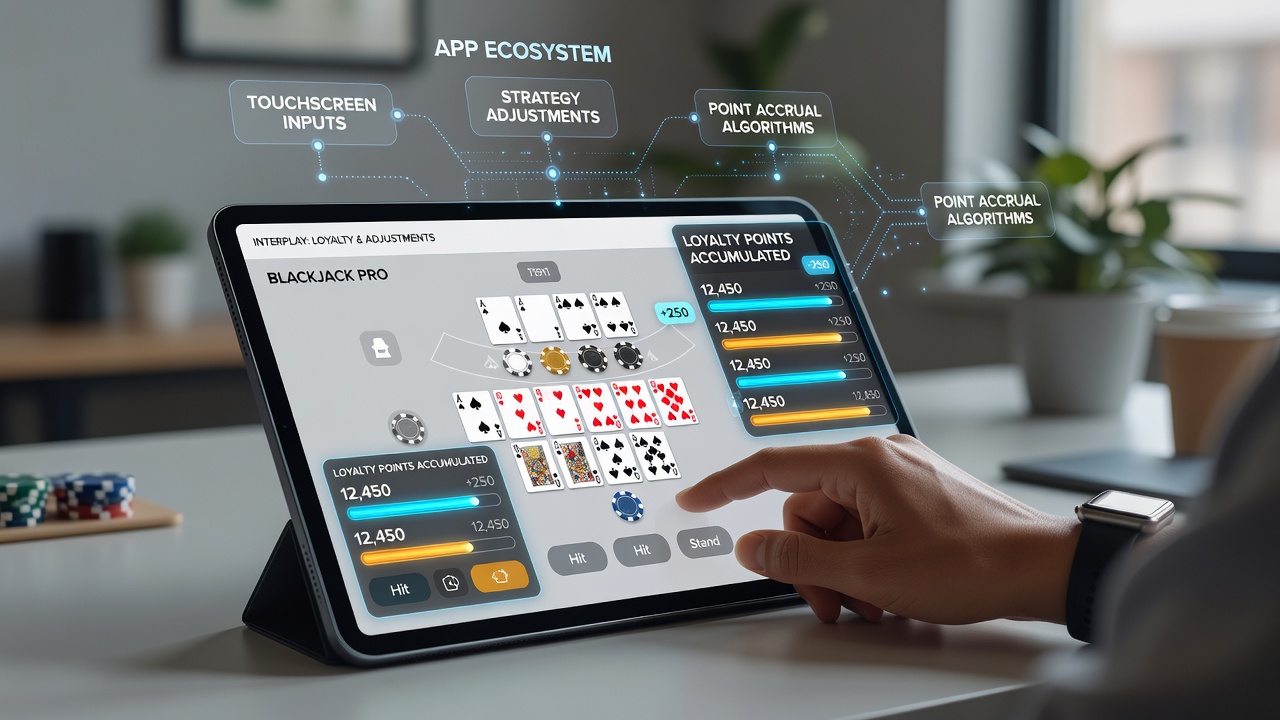
Figures from app analytics providers reveal that loyalty point milestones often coincide with increased frequency of interface-driven tweaks, such as favoring conservative plays when points near redemption levels. This pattern emerges because accumulated rewards tie directly to continued engagement, prompting users to recalibrate risk exposure through the touchscreen itself rather than mental strategy alone.
Integration with Instant Payout Features
Instant payout systems within these ecosystems process withdrawals in seconds once blackjack rounds conclude, which connects to loyalty tracking by resetting or advancing point counters depending on the transaction outcome. Reports from the Australian Communications and Media Authority highlight how such rapid fund movements encourage repeated logins, where each cycle feeds additional data into personalization engines that refine touchscreen prompts for future hands. Observers note that when payouts complete without delay, players tend to test adjusted strategies more readily, since the barrier between rounds diminishes and loyalty accumulation accelerates accordingly.
App developers implement feedback loops where point totals influence the visibility of certain controls, for instance highlighting double-down zones after a streak of successful instant transactions. This setup creates measurable shifts in hand decision trees, as documented in industry reports that compare pre- and post-payout behavior across user cohorts. Data collected through July 2026 shows continued refinement of these loops, with platforms testing variants that link point thresholds to gesture sensitivity settings on specific device models.
Observed Patterns Across User Segments
Segmentation analysis from gaming trade groups indicates distinct behaviors emerge when loyalty accumulation intersects with touchscreen adjustments under instant payout conditions. Casual participants often maintain standard basic strategy charts adapted for touch input, while frequent users exploit point-based incentives to experiment with deviations that the interface makes physically easier to execute. Those patterns hold across regions where regulations permit such features, and cross-platform comparisons demonstrate consistency in how payout speed correlates with point-driven session extensions.
Evidence from multiple platform audits suggests that synchronization between these components reduces friction in the overall experience, allowing loyalty progress to directly inform strategy recalibrations performed via screen interactions. Researchers at institutions tracking digital gaming trends have quantified this by measuring decision time reductions following successful instant payouts that also increment point balances.
Conclusion
The documented connections between loyalty point systems, touchscreen blackjack adaptations, and instant payout capabilities illustrate an evolving operational framework within app ecosystems. Regulatory records and analytical data continue to map these interactions, providing ongoing clarity on how each element modulates the others without altering fundamental game mathematics. As platforms update interfaces through mid-2026 and beyond, the measurable impacts on user behavior remain centered on these factual linkages rather than isolated features.