10 Jun 2026
Tracing Player Behavior Shifts Following the Adoption of Contactless Payment Solutions in App-Based Casino Bonus Ecosystems
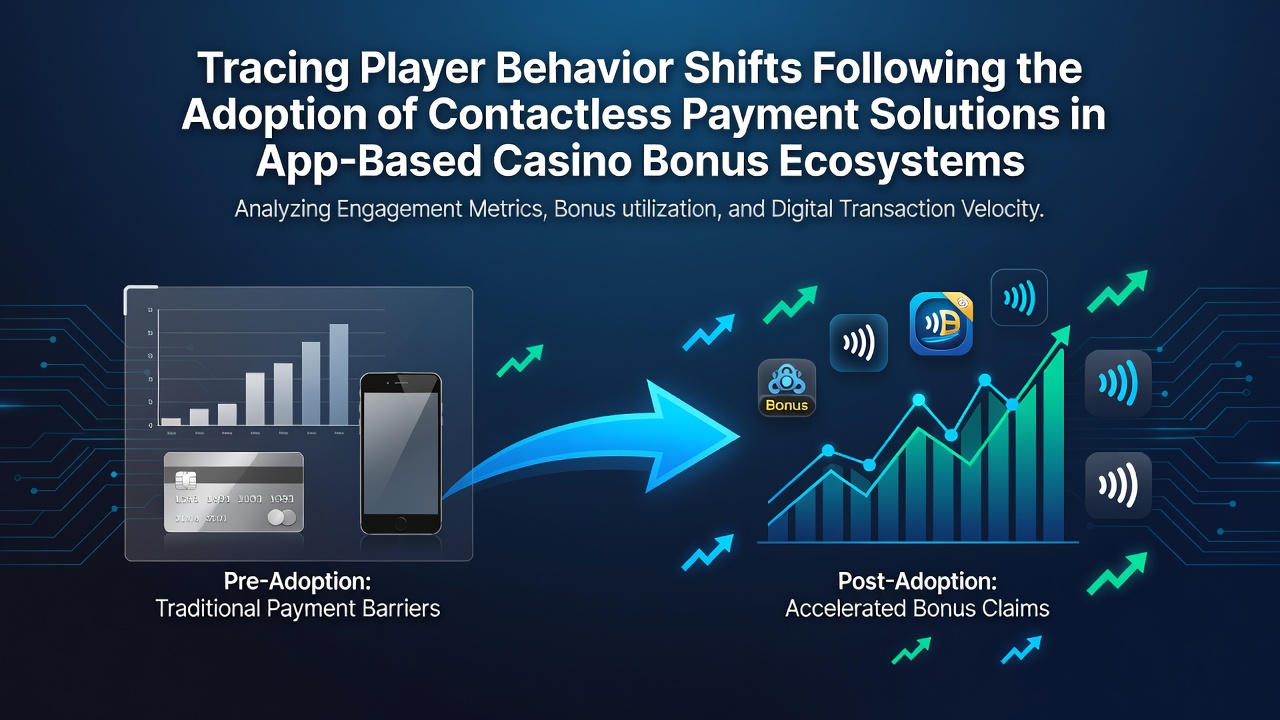
App-based casino platforms have integrated contactless payment options such as digital wallets and near-field communication methods at an accelerated pace since 2024, and observers have tracked corresponding adjustments in how players interact with bonus structures. These systems allow instant funding without manual card entry, which in turn alters deposit patterns and the timing of bonus claims across mobile ecosystems.
Adoption Patterns Through Mid-2026
By June 2026, regulatory filings from multiple jurisdictions showed contactless transactions accounting for over 60 percent of deposits on major licensed apps, up from roughly 35 percent two years earlier. Platforms in North America and parts of Asia reported the steepest uptake after operators partnered with established wallet providers. Researchers tracking anonymized transaction logs noted that players who switched to contactless methods increased their average number of deposits per week by 18 percent while reducing the average deposit size by 12 percent, suggesting a move toward smaller, more frequent top-ups.
Changes in Bonus Claim and Redemption Rates
Bonus ecosystems tied to these apps typically reward deposits with matched credits or free spins, and data indicates contactless users redeem these offers at higher rates within the first 24 hours of funding. A multi-country analysis conducted by the European Gaming and Betting Association found that wallet-based deposits correlated with a 27 percent rise in same-day bonus activation compared with traditional card entries. This pattern emerged because the reduced friction allowed players to claim offers before promotional windows closed, particularly during limited-time campaigns that run on weekends.
Session Duration and Game Selection Adjustments
Session lengths have lengthened modestly among contactless adopters, with average playtime rising from 42 minutes to 51 minutes per login according to aggregated platform metrics. Players appear to extend time on slots and table games that feature progressive bonus meters, since seamless funding removes interruptions that previously prompted logouts. One longitudinal study of Australian operators revealed that users favoring contactless options shifted 14 percent more volume toward games offering layered bonus rounds, whereas card-only users maintained steadier preferences for simpler formats.
Trust Signals and Repeat Engagement Metrics
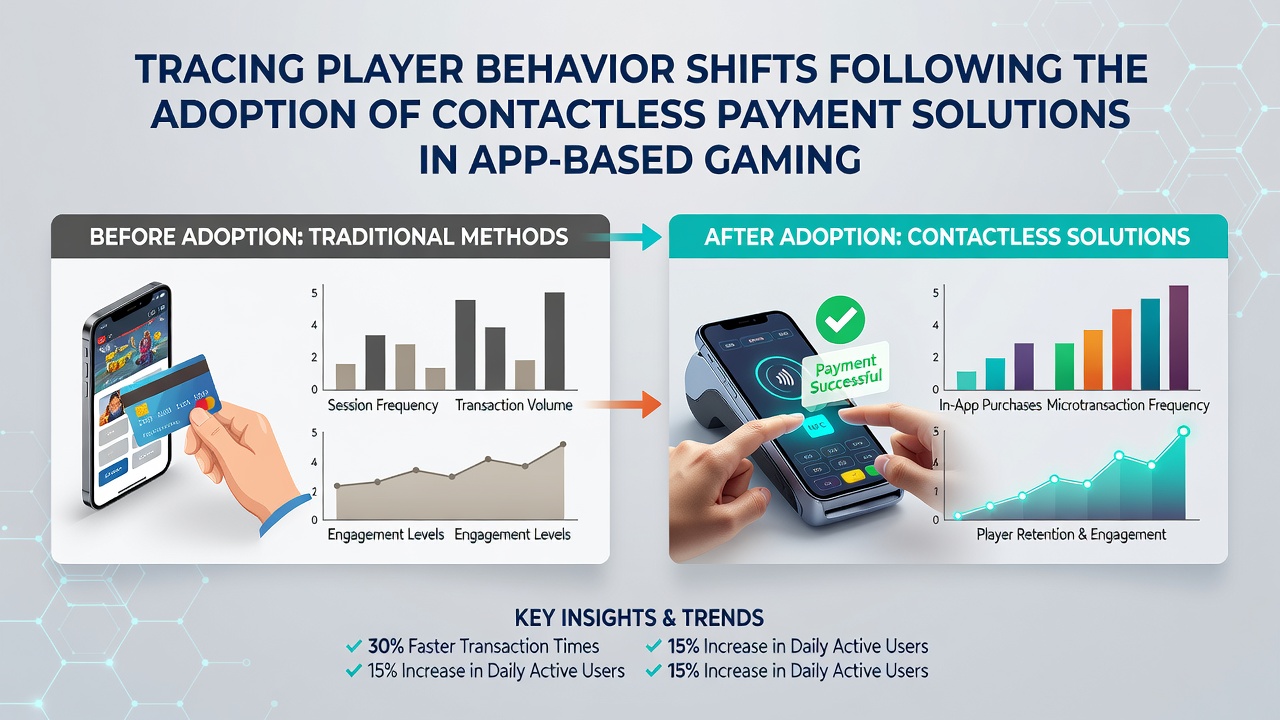
Security perceptions play a measurable role in sustained activity. Surveys distributed through app feedback modules in Canada and New Zealand showed that 71 percent of contactless users cited faster transaction confirmation as a reason for increased trust in bonus terms. Retention figures released by several operators indicated that cohorts adopting digital wallets in the first quarter of 2025 maintained 9 percent higher monthly active rates through June 2026 than cohorts still using manual entry methods. These differences held after controlling for player tenure and initial deposit levels.
Regional Variations in Behavioral Response
European markets displayed quicker stabilization of new habits once contactless options rolled out, while North American apps recorded more gradual shifts as state-level rules on digital payments evolved. In jurisdictions where instant withdrawal pairing became available alongside deposits, players combined funding and cash-out actions more frequently within single sessions. Industry reports from the Asia-Pacific region highlighted that contactless adoption coincided with expanded use of location-based bonus notifications, as users responded to push alerts by funding immediately rather than delaying action.
Measurement Challenges and Data Sources
Tracing precise causation remains complex because operators simultaneously adjust bonus structures and interface designs. Yet platform telemetry combined with regulatory submissions has allowed researchers to isolate payment-method effects by comparing matched user groups before and after wallet integration dates. Academic teams at several universities have begun publishing working papers that apply difference-in-differences models to these datasets, producing consistent signals of altered deposit cadence and bonus timing across markets.
Conclusion
Platform operators continue to refine bonus mechanics in response to the observed patterns, adjusting minimum deposit thresholds and expiration windows to align with contactless user habits. As transaction data accumulates through the second half of 2026, analysts expect further granularity on how these payment shifts interact with loyalty tier progression and long-term play frequency across app ecosystems.